Can You Sharpen Serrated Knives on a Whetstone? The Short Answer
A flat whetstone can maintain part of a serrated knife but can’t get into the actual scallops. Here’s what will, and what to leave to a specialist.

A flat whetstone can maintain part of a serrated knife but can’t get into the actual scallops. Here’s what will, and what to leave to a specialist.

A new Japanese knife usually ships sharper than you’d think. Here’s why starting at 1000 grit is often the wrong move, and what to do instead.

The angle isn’t a style choice — it’s matched to the steel’s hardness. Here’s why Japanese and German knives are sharpened differently, and what happens if you mix them up.
A 1000-grit stone will cut food. A 6000 grit stone will cut it differently. Here’s what the extra refinement actually changes in daily cooking.

Splash-and-go stones wear far slower than traditional ones, but “slower” isn’t “never.” Here’s a realistic flattening schedule for stones like Shapton.
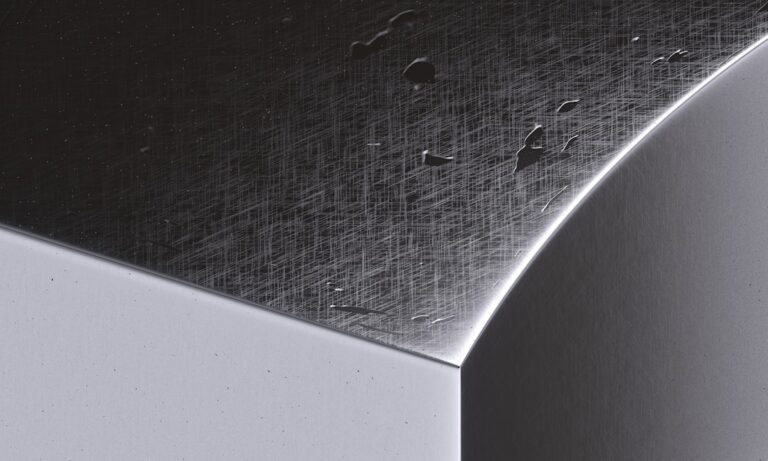
You put in the time on the stone and the edge still isn’t right. Here are the five actual reasons that happens, in the order to check them.
A standard whetstone barely touches a ceramic blade. Here’s why, what actually sharpens zirconia ceramic, and why chipping is the bigger risk than dullness.

The board under your knife affects the edge as much as the steel does. Here’s why one grain orientation is genuinely gentler than the other.

Dalstrong’s spec sheet looks better on paper for less money. Shun has decades of independently verified consistency. Here’s how to weigh the two honestly.
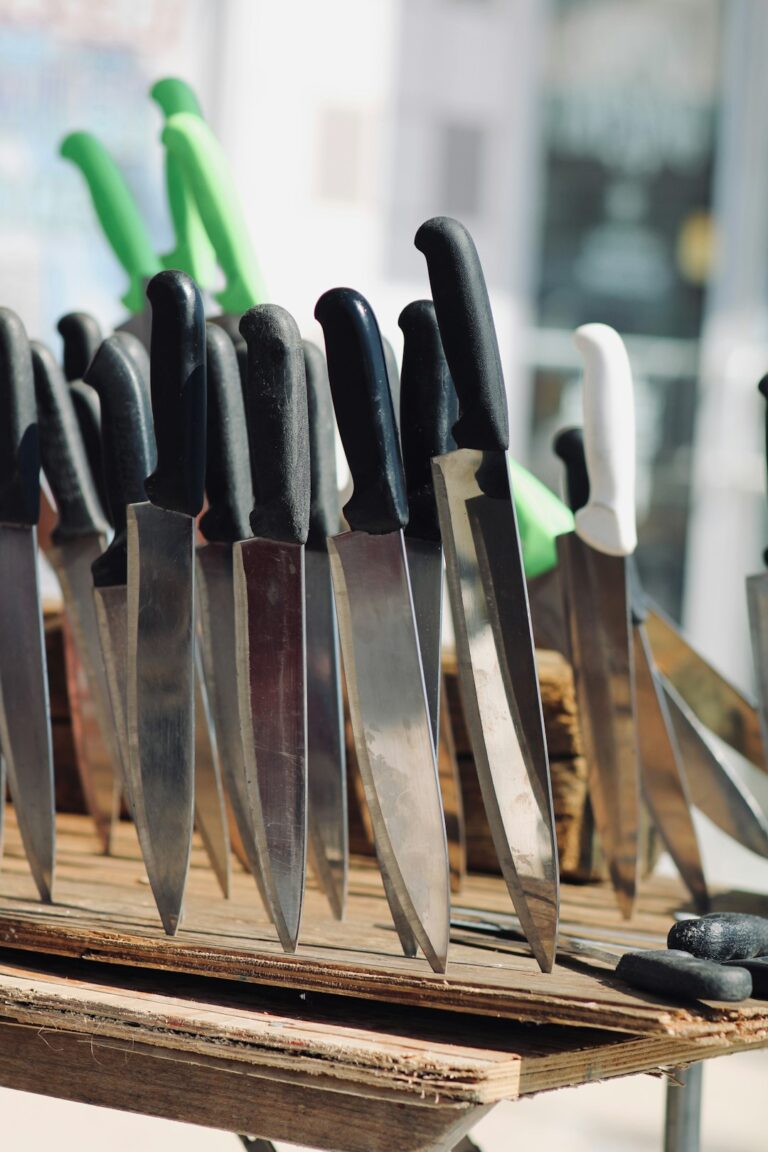
30mm sounds small on paper. In a real kitchen it changes what the knife is comfortable doing. Here’s how to actually decide between the two.