Shapton Kuromaku 1000 Review: What Owners Report After Real Use
This review is built from manufacturer specs and long-running owner and enthusiast feedback rather than a single test unit — here’s the honest, compiled picture.

This review is built from manufacturer specs and long-running owner and enthusiast feedback rather than a single test unit — here’s the honest, compiled picture.

For occasional home cooking, the practical gap between these two steels nearly disappears — and in a few specific ways, AUS-10 has the edge.
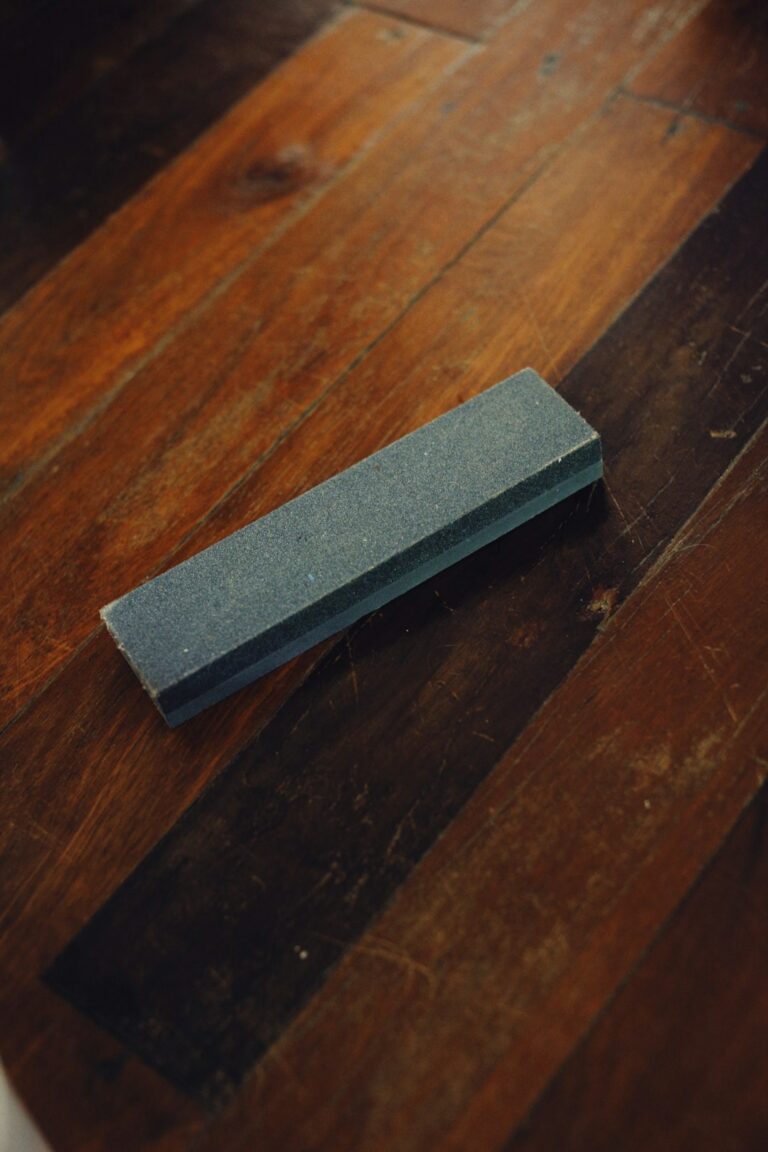
Rust and patina look similar but aren’t the same thing, and treating them the same way is how people scrub off character they meant to keep.

Bamboo gets marketed as knife-friendly, but it’s often harder than the wood boards it’s competing with. Here’s what actually protects a thin Japanese edge.
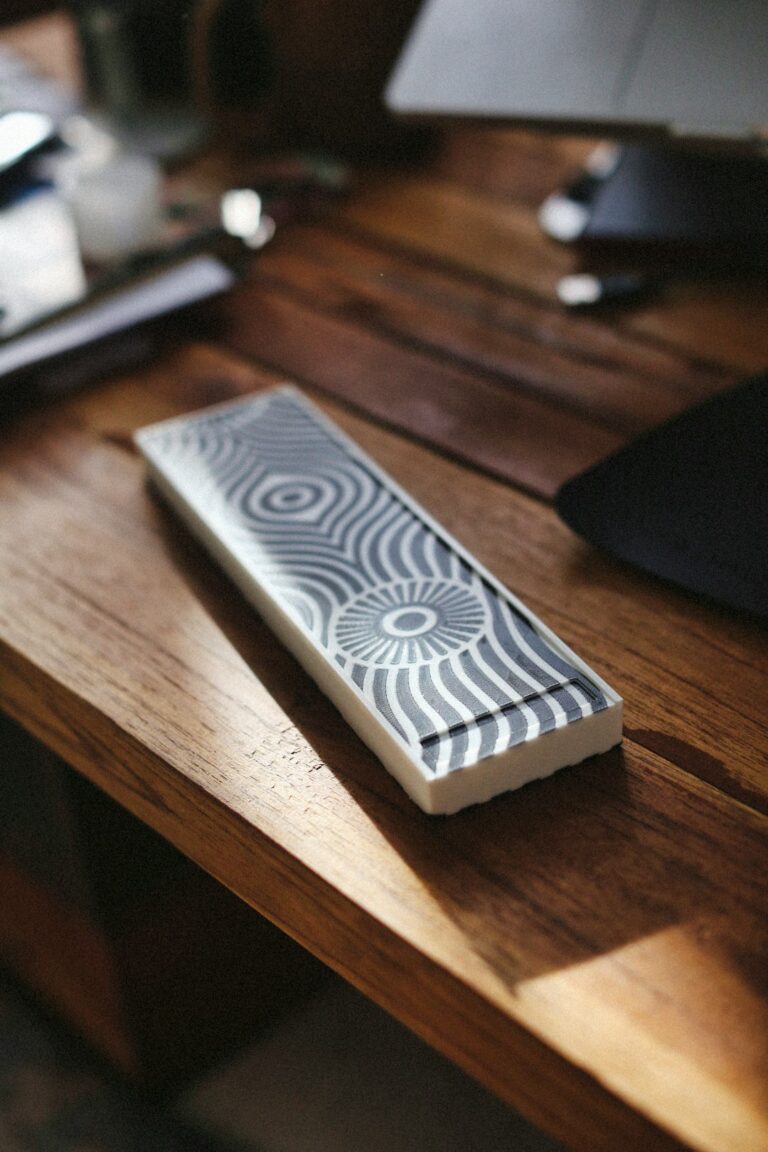
Thin isn’t the same as worn out. Here’s what actually signals a stone has reached the end of its usable life versus just needing a flatten.

A single stone can absolutely keep a knife working. Here’s exactly what you give up compared to a full progression, and which single grit to pick if you’re only buying one.

The steel usually isn’t the problem. Here’s the real, common causes behind a knife that won’t stay sharp, and which one to fix first.
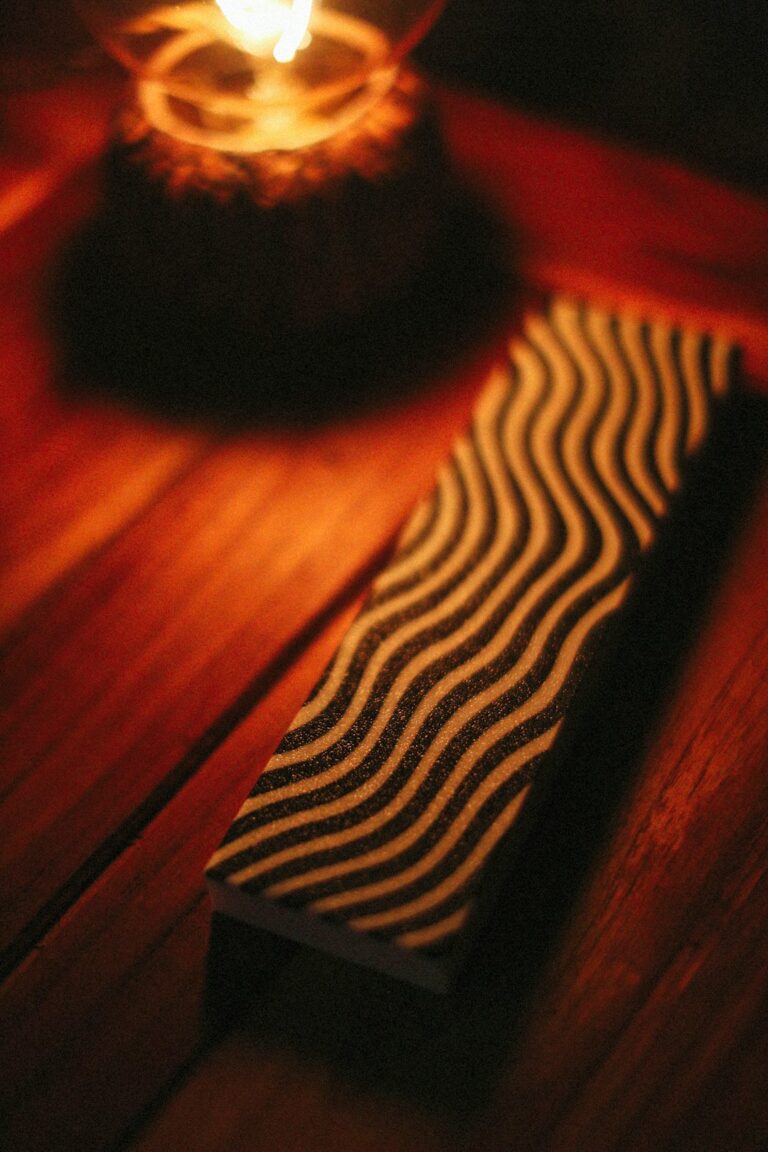
For a home cook sharpening a couple of knives a month, a whetstone lasts years regardless of type. Here’s what actually determines the real lifespan.

The stone itself isn’t usually the problem — the technique is. Here’s what actually changes when you sharpen a single bevel knife like a yanagiba or deba.
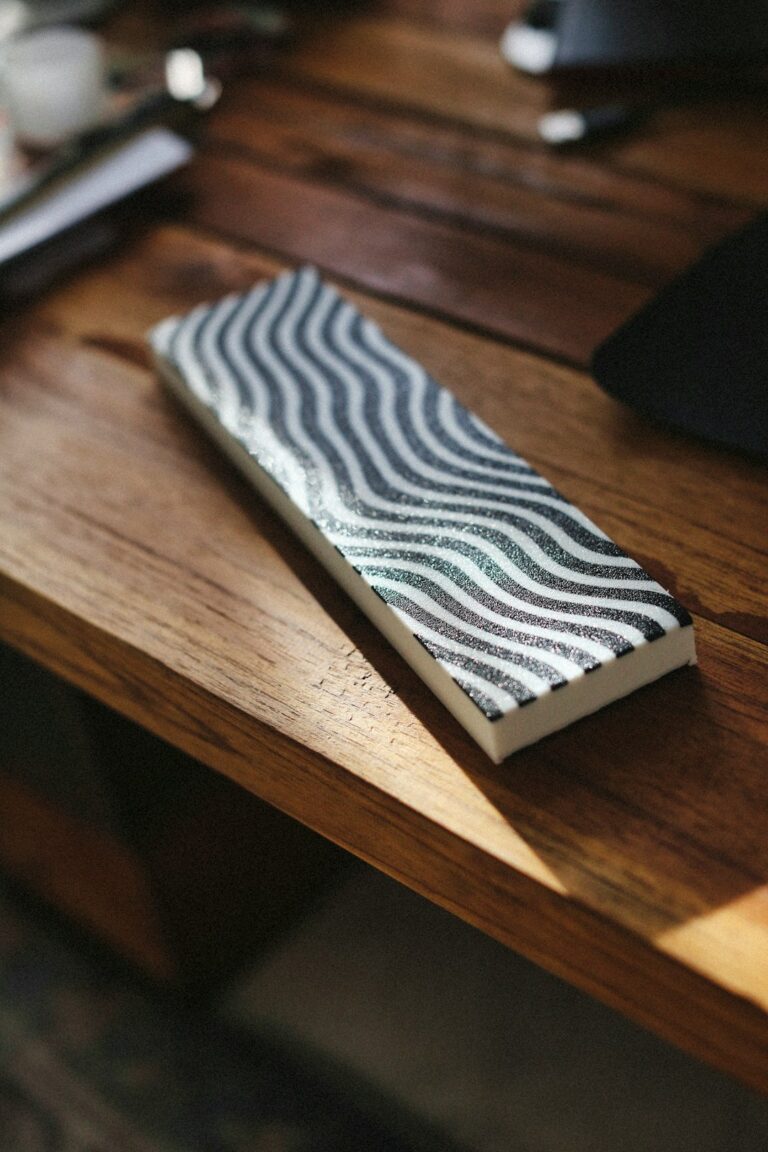
There’s no single answer here — a soft King stone and a hard Shapton wear on completely different schedules. Here’s a realistic frequency for each type.