Camellia Oil vs Mineral Oil: What to Put on a Carbon Knife
One is a centuries-old traditional choice with real rust-fighting properties. The other is cheap, practical, and easier to find. Here’s the honest pick.
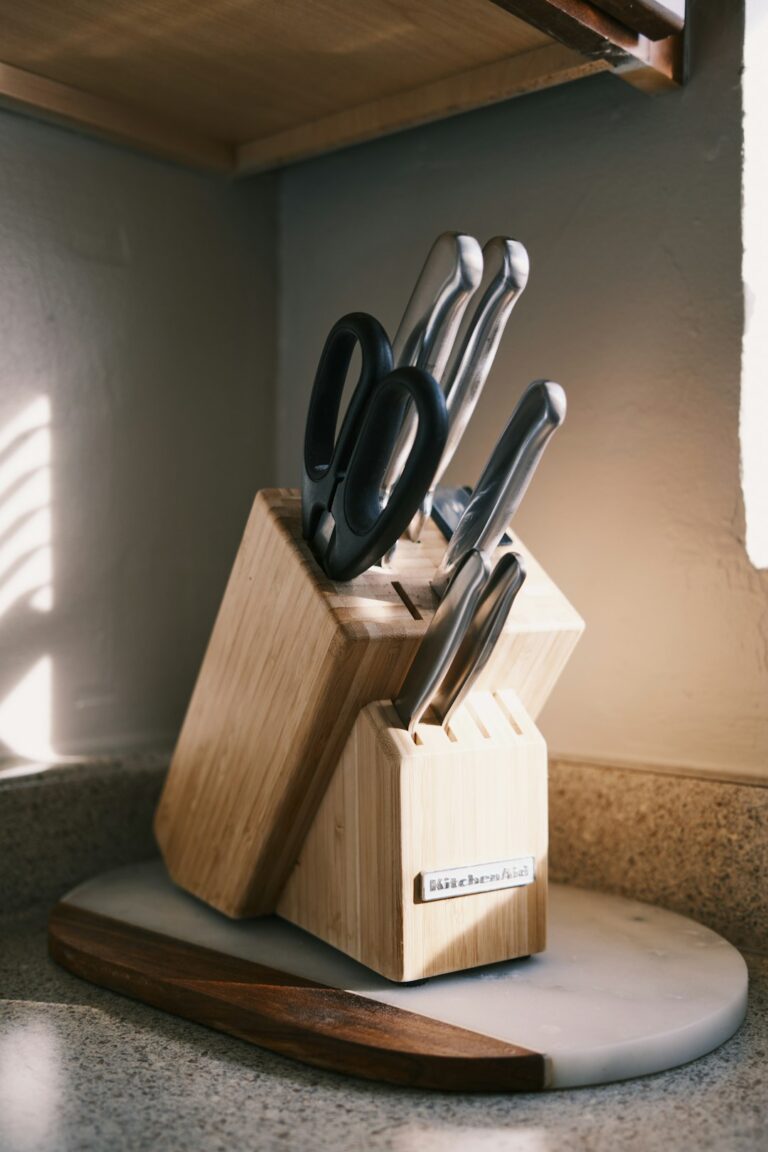
One is a centuries-old traditional choice with real rust-fighting properties. The other is cheap, practical, and easier to find. Here’s the honest pick.

A traditional steel rod barely touches hardened Japanese steel. Here’s which honing rod material actually works, and which is too aggressive.
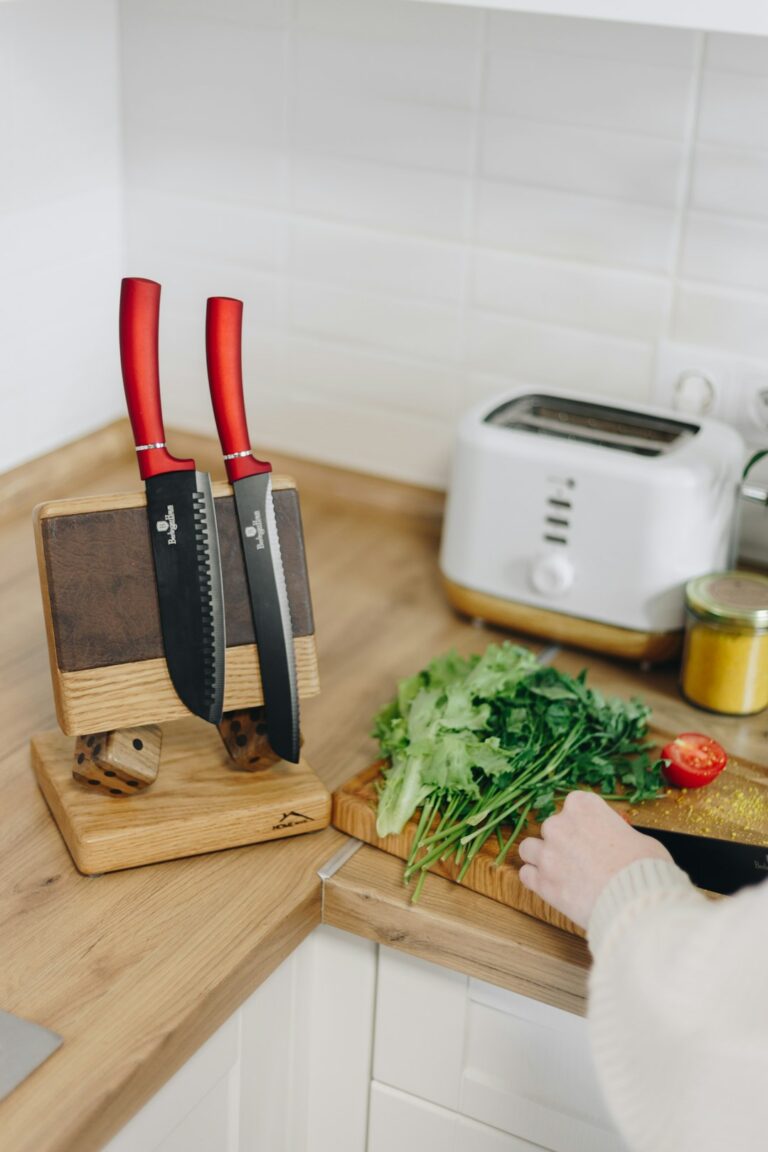
The concern about magnets dulling knives is mostly a myth — but that doesn’t mean the two storage methods are equally safe for your edge.
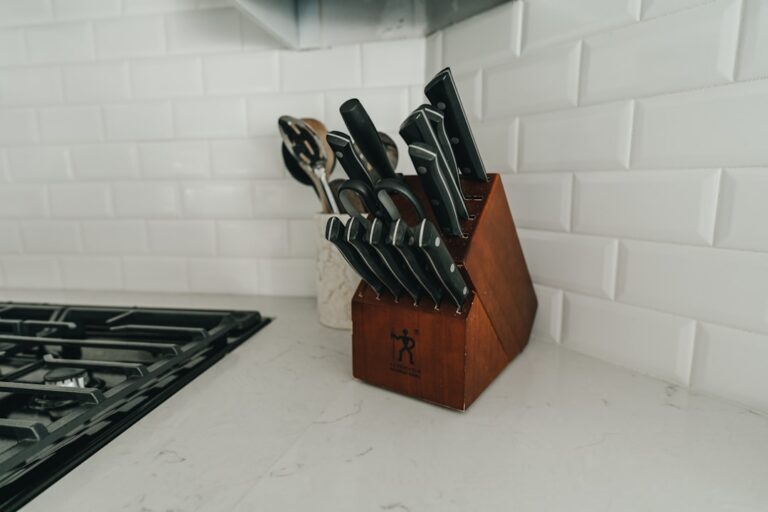
One sits on your counter and needs its own storage space. The other sits over your sink and cleans up after itself. Here’s the real trade-off.
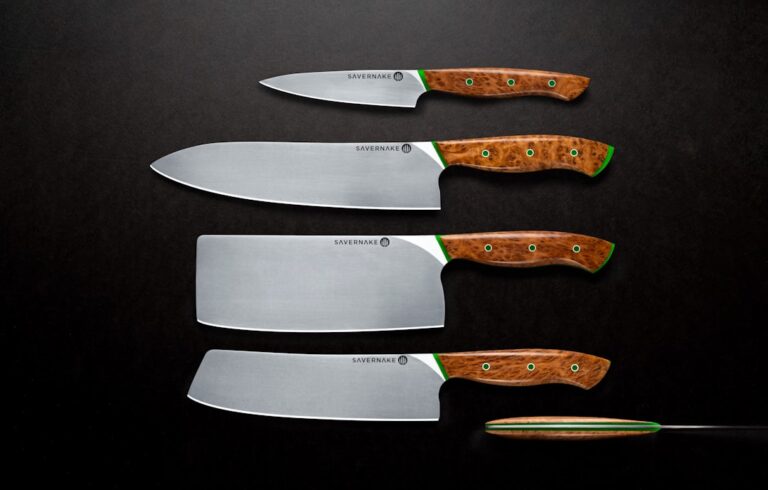
One is a double-bevel all-rounder for slicing meat. The other is a single-bevel, handed specialist built almost entirely for raw fish.
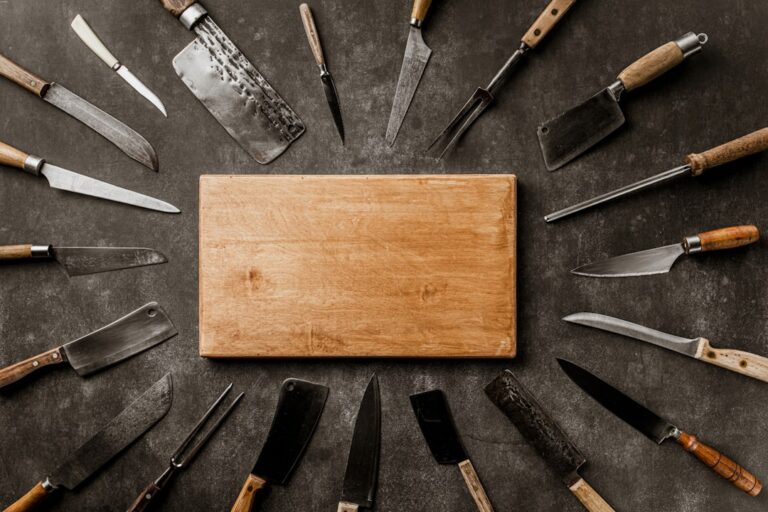
They look nearly identical at a glance, but a petty is really a miniature gyuto, not just a longer paring knife. Here’s the actual difference.
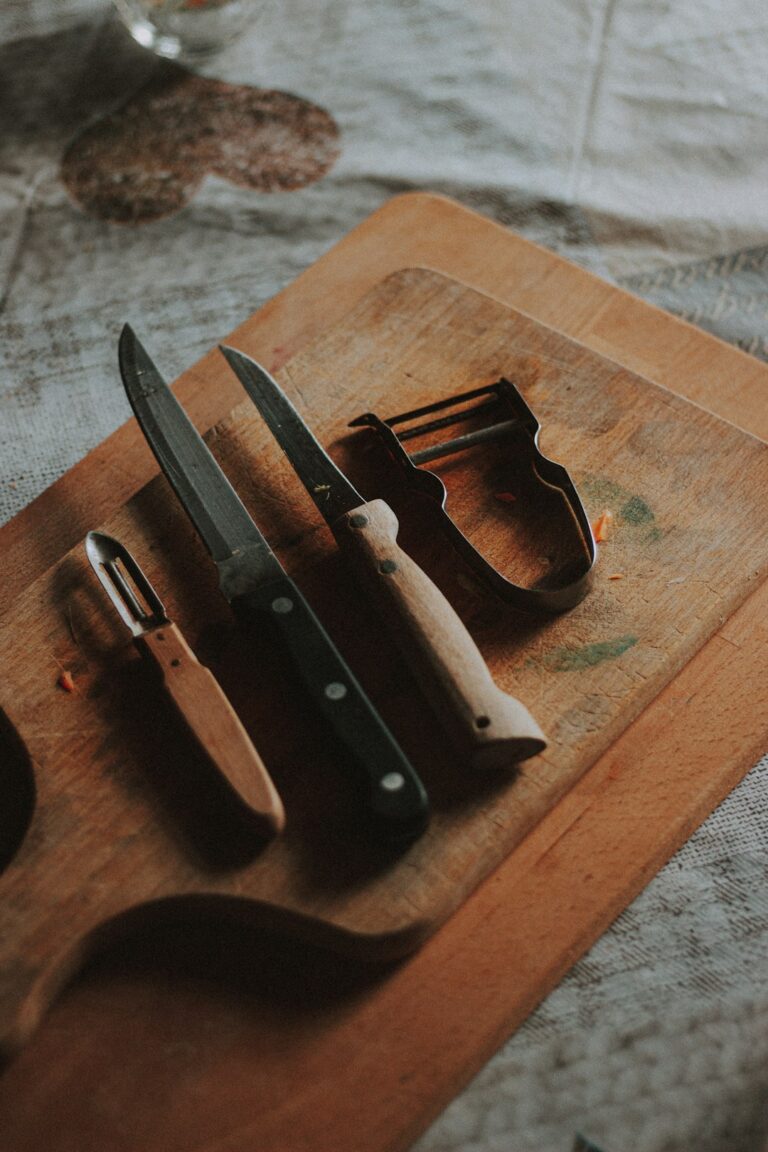
Both knives evolved from the same rectangular vegetable cleaver. One design decision at the tip is what actually separates them today.
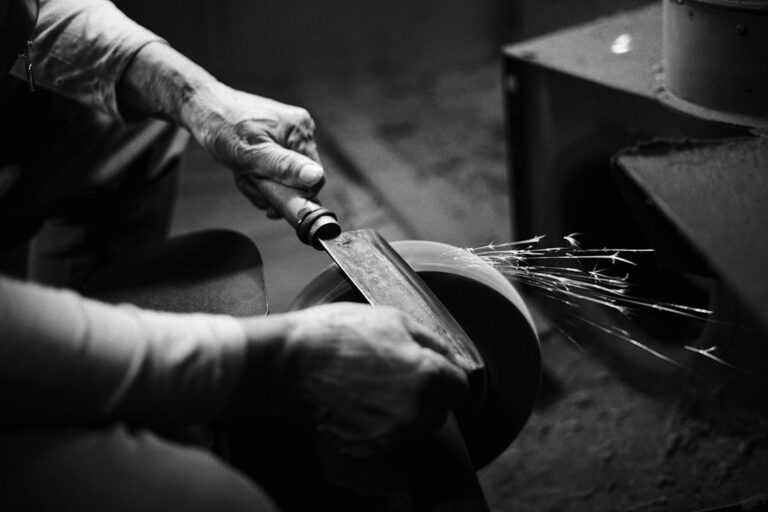
Pull-through sharpeners are the most common way people accidentally shorten the life of a good knife. Here’s exactly what they do to the edge.
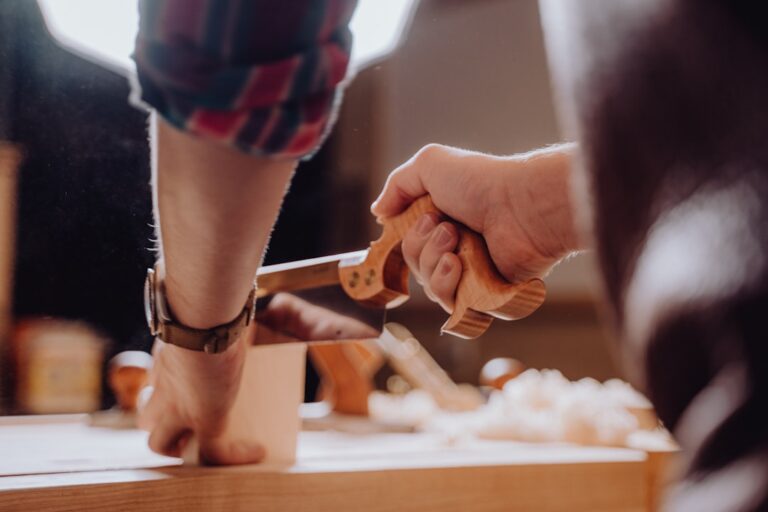
An electric sharpener trades edge quality and knife lifespan for speed and zero learning curve. Here’s exactly what that trade costs you.
One removes the guesswork, the other removes the equipment. Here’s the honest trade-off between learning to sharpen freehand and buying a guide.