Bunka vs Santoku: The Shape Difference That Actually Matters
As an Amazon Associate, I earn from qualifying purchases. Steel and Strop is reader-supported — links to Amazon below use my affiliate tag, at no extra cost to you.
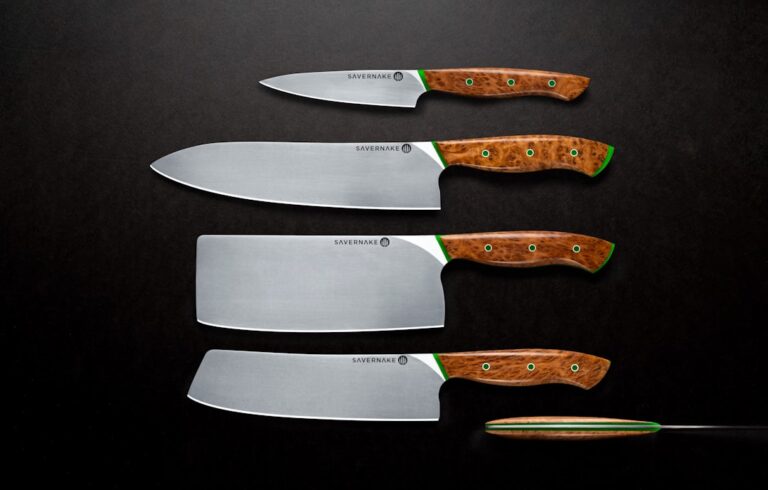
The tip is the whole story. A santoku’s blade curves down from the spine toward the point, giving it a rounded profile suited to a gentle rocking cut. A bunka has a straighter, more angular, sword-like tip, which trades some of that rocking motion for a sharper point better suited to precise work — piercing, detail cuts, and push-style chopping. Both are close to the same size and evolved from the same rectangular vegetable-knife ancestor; picking between them is really about which cutting motion you naturally use.
These two get lumped together constantly because they’re similarly sized and serve an overlapping general-purpose role, but the tip shape genuinely changes how each one behaves in the hand.
Where both of these actually came from
Both bunka and santoku trace back to the nakiri, a rectangular vegetable cleaver, modified in the 1940s and 50s by clipping the tip to create a point for more versatile use beyond vegetables. Some historical accounts suggest the bunka’s straighter tip came first simply because straight lines were easier to produce with the tools of that era, with the more rounded santoku tip developing afterward as a refinement.
At a glance
| Feature | Santoku | Bunka |
|---|---|---|
| Tip shape | Rounded, curves from spine | Straighter, more angular point |
| Best cutting motion | Rocking cut | Push-pull chopping, precision work |
| Typical length | 160–190mm | 160–190mm |
| General versatility | Very high — an established all-rounder | Very high — same role, different tip feel |
What the tip shape actually changes in use
A curved santoku tip is built for rocking the blade through repeated chopping motions, similar to a smaller santoku-style version of a Western chef’s knife’s belly. A bunka’s straighter, pointier tip gives up some of that rocking ease in exchange for a sharper point that’s genuinely more useful for detail work — scoring, piercing, or working into tight corners of a piece of produce. Neither shape is objectively better; they suit different habitual cutting styles.
Does the name difference reflect anything cultural?
Santoku translates loosely to “three virtues,” referring to its versatility across meat, fish, and vegetables. Bunka means “culture,” reflecting the mid-20th-century period of Western culinary influence on Japanese kitchens when the shape emerged. Neither name describes a technical spec — they’re historical and marketing labels more than functional descriptions, which is part of why the practical difference between them is smaller than the different names might suggest.
Which one should you actually buy
If you already cook with a rocking motion — the way most people use a Western chef’s knife — a santoku’s curved tip will feel more familiar immediately. If you find yourself using the tip of a knife often, for detail work or precise cuts, a bunka’s straighter point may suit your habits better. Trying both, or asking what motion you naturally default to at the cutting board, is a more useful test than reading specs alone.
Frequently asked questions
Is a bunka better than a santoku?
Neither is objectively better — they suit different cutting motions. Santoku favors rocking cuts; bunka favors push-style chopping and precise point work.
Are bunka and santoku knives the same size?
Generally yes — both typically run 160 to 190mm, similar to each other in overall length and role.
Which knife shape is more common for beginners?
Santoku is more widely available and more commonly recommended as a general-purpose knife, mostly due to broader familiarity rather than any performance advantage.
Steel and Strop tests and compares kitchen knives and sharpening gear. This comparison reflects manufacturer specifications and consistent, long-running owner and enthusiast reporting on both knife shapes.