Magnetic Knife Strip vs Block: Which Is Safer for the Edge?
As an Amazon Associate, I earn from qualifying purchases. Steel and Strop is reader-supported — links to Amazon below use my affiliate tag, at no extra cost to you.
Magnetism itself doesn’t dull an edge — that worry is largely a myth. The actual edge risk with a magnetic strip is careless placement and removal, letting the blade clatter against the magnet or against neighboring knives. A knife block is generally the gentler option by default, since each slot is sized to keep the edge from contacting anything, but a block risks its own damage if the slots are too tight or if you sheath the knife carelessly. Used correctly, both are safe; used carelessly, both can chip an edge.
The magnet-dulling myth is common enough that it’s worth addressing directly before getting into which storage method is actually gentler on a good edge.
Why magnets don’t dull a blade
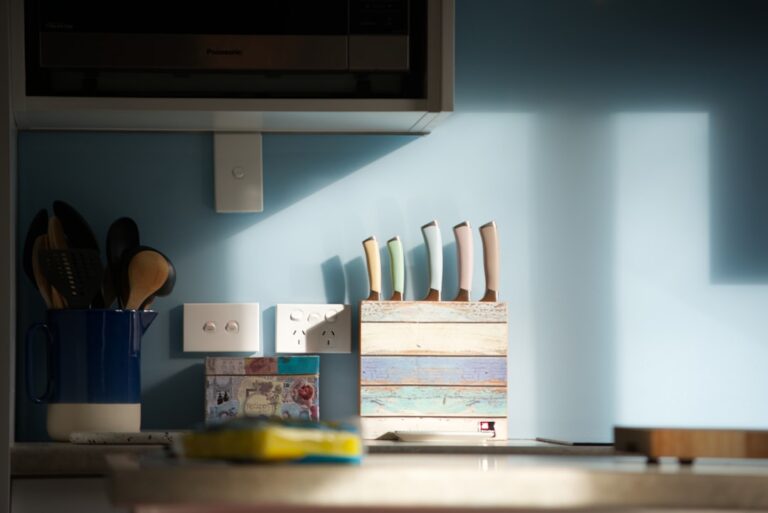
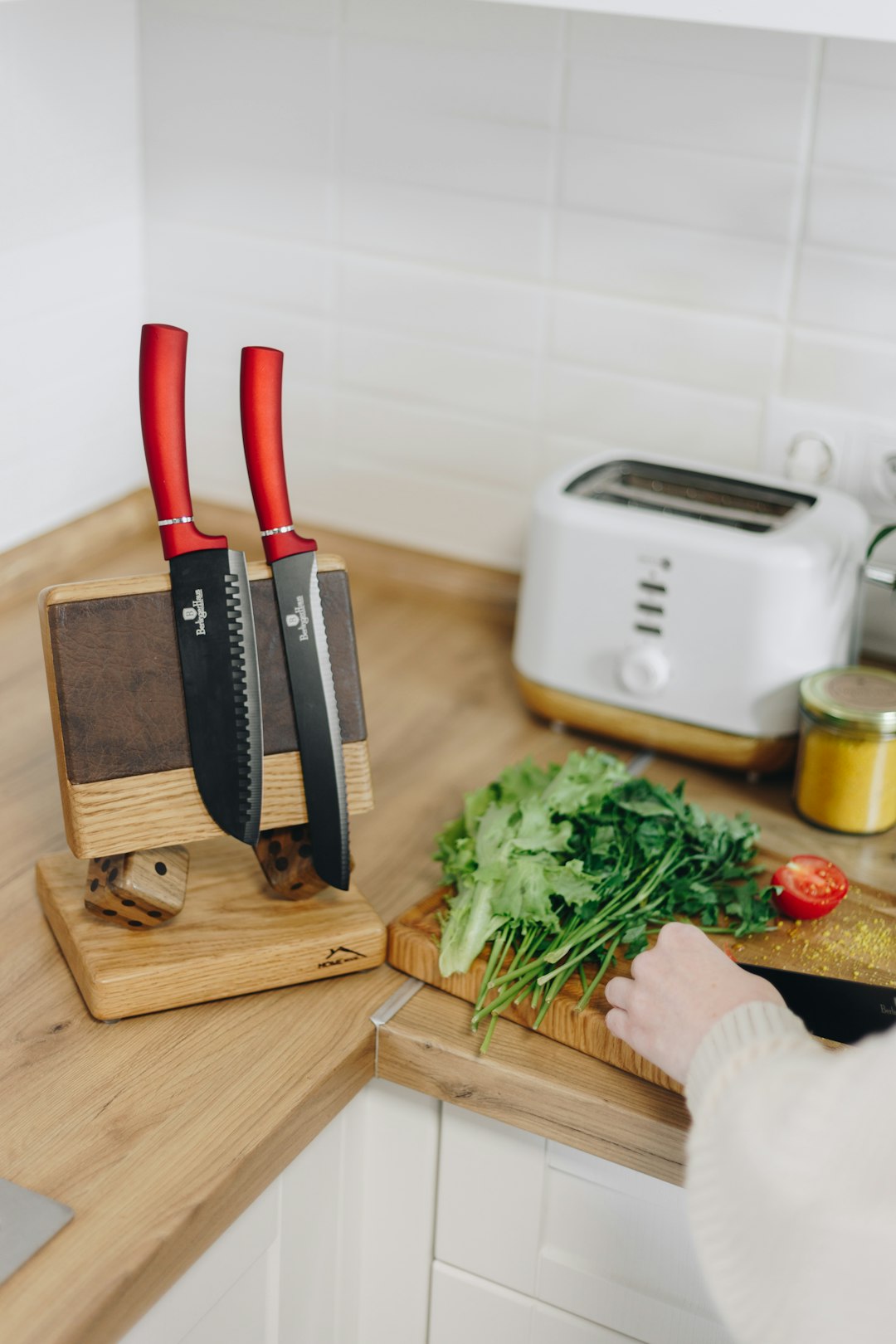
A magnetic strip holds a knife by attracting the steel itself, not by exerting any force on the edge geometry — there’s no mechanism by which magnetism reshapes or wears down a cutting edge. The actual risk with a magnetic strip is entirely physical: setting a knife down too fast so it clacks against the strip, or letting it swing and contact another knife stored nearby, both of which can chip or roll a fine edge exactly the same way dropping it on a hard counter would.
At a glance
| Factor | Magnetic strip | Knife block |
|---|---|---|
| Edge contact risk if used carefully | Very low | Very low |
| Edge risk from careless use | Chipping from clattering placement | Chipping from tight or worn slots |
| Visibility and accessibility | All knives visible, easy to grab correctly | Knives hidden, easier to grab wrong |
| Counter/wall space needed | Wall-mounted, saves counter space | Needs dedicated counter space |
Where a knife block can quietly cause damage
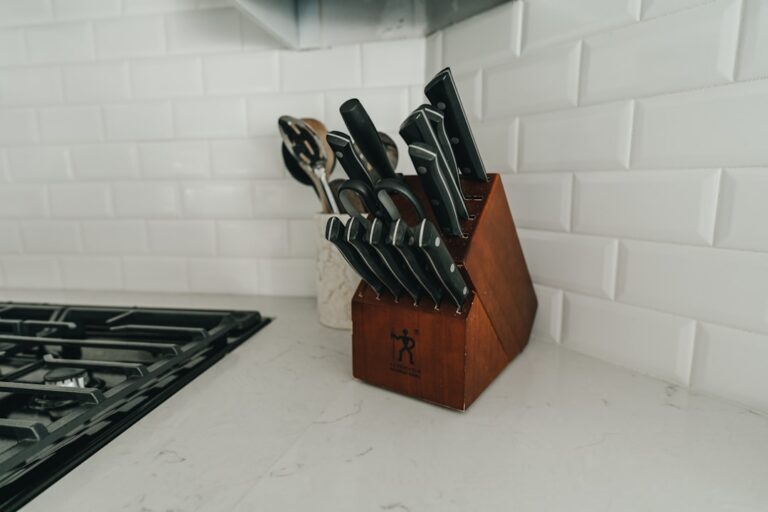
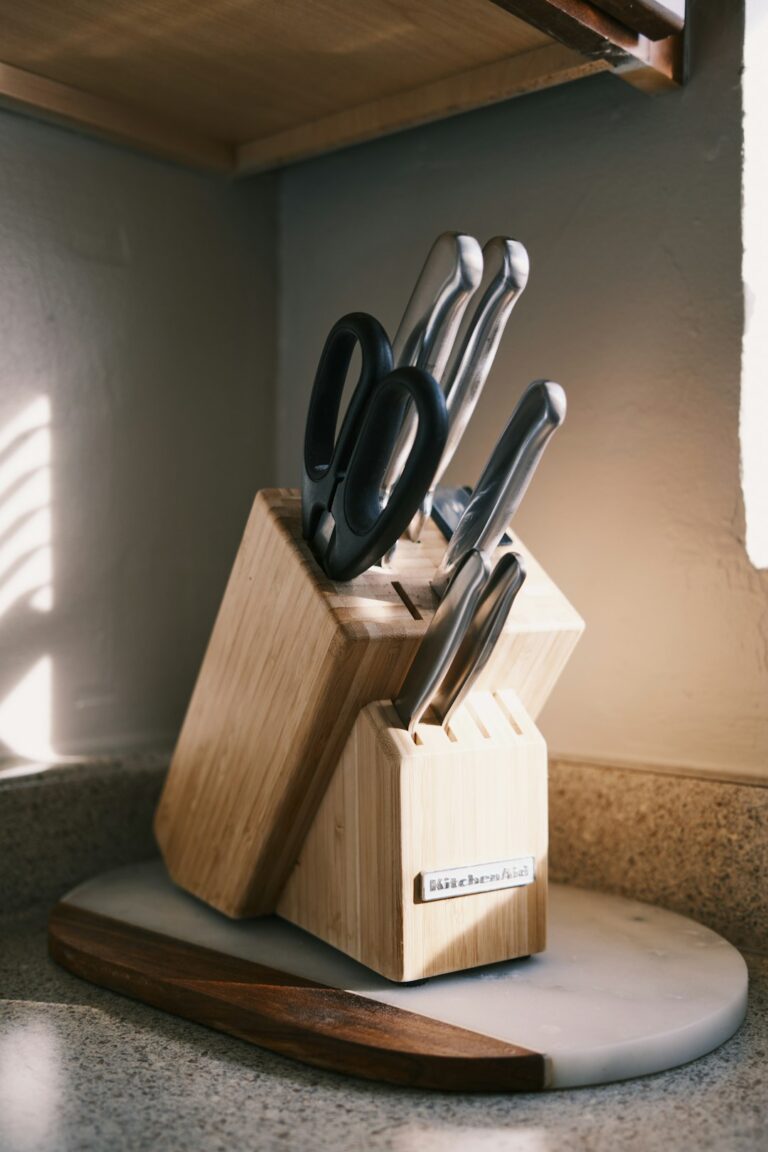
Slots that are too narrow for a given blade thickness force the edge itself to scrape against the block material on the way in and out, which is a slow but real source of edge wear over months and years. Universal-slot blocks — designed to fit various knife widths — are more prone to this than blocks with dedicated slots sized to a specific knife set, since a loose or tight fit isn’t tailored to any one blade.
Where a magnetic strip’s real risk actually lives
The danger isn’t the magnet pulling on the edge — it’s momentum. Placing a knife too quickly lets the strip’s pull snap the blade into contact faster than you controlled, and knives stored too close together on the same strip can clack edges when one is removed carelessly. Slowing down when placing and removing knives, and giving each blade enough space on the strip, eliminates nearly all of this risk.
Which one is actually the safer default
A magnetic strip has a slight edge in visibility and accessibility — you can see exactly which knife you’re grabbing and by the handle, reducing fumbling — while a well-fitted knife block offers a more forgiving margin of error since the edge never has to be actively placed against anything by hand. Neither is unsafe when used with basic care; the real determining factor is which one you’ll actually use carefully day to day.
Frequently asked questions
Do magnetic knife strips actually dull knives?
No — magnetism doesn’t affect edge sharpness. Damage, when it happens, comes from careless placement or knives contacting each other, not from the magnet itself.
Can a knife block damage the edge?
Yes, if the slots are too narrow or worn, causing the edge to scrape the block material on insertion and removal over time.
Which storage method is better for knife safety in a household with kids?
A knife block, generally, since blades are sheathed and less visible or accessible than an open magnetic strip.
Steel and Strop tests and compares kitchen knives and sharpening gear. This comparison reflects manufacturer specifications and consistent, long-running owner and enthusiast reporting on both storage methods.