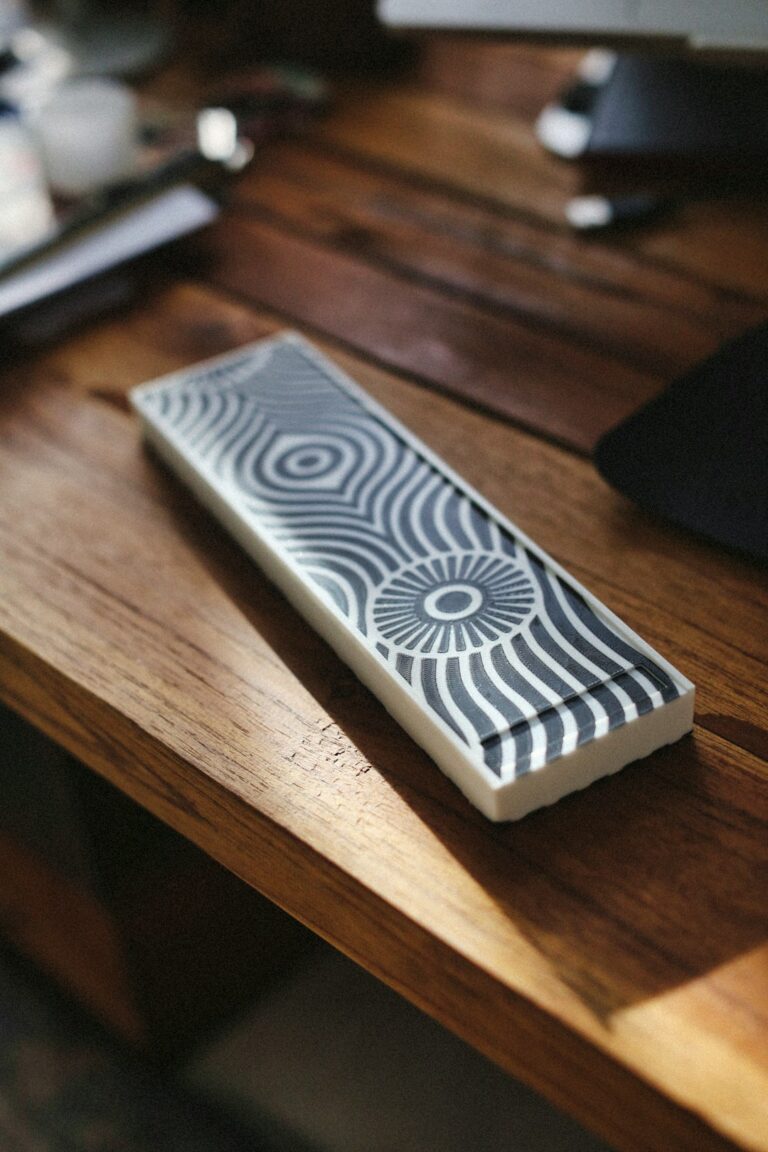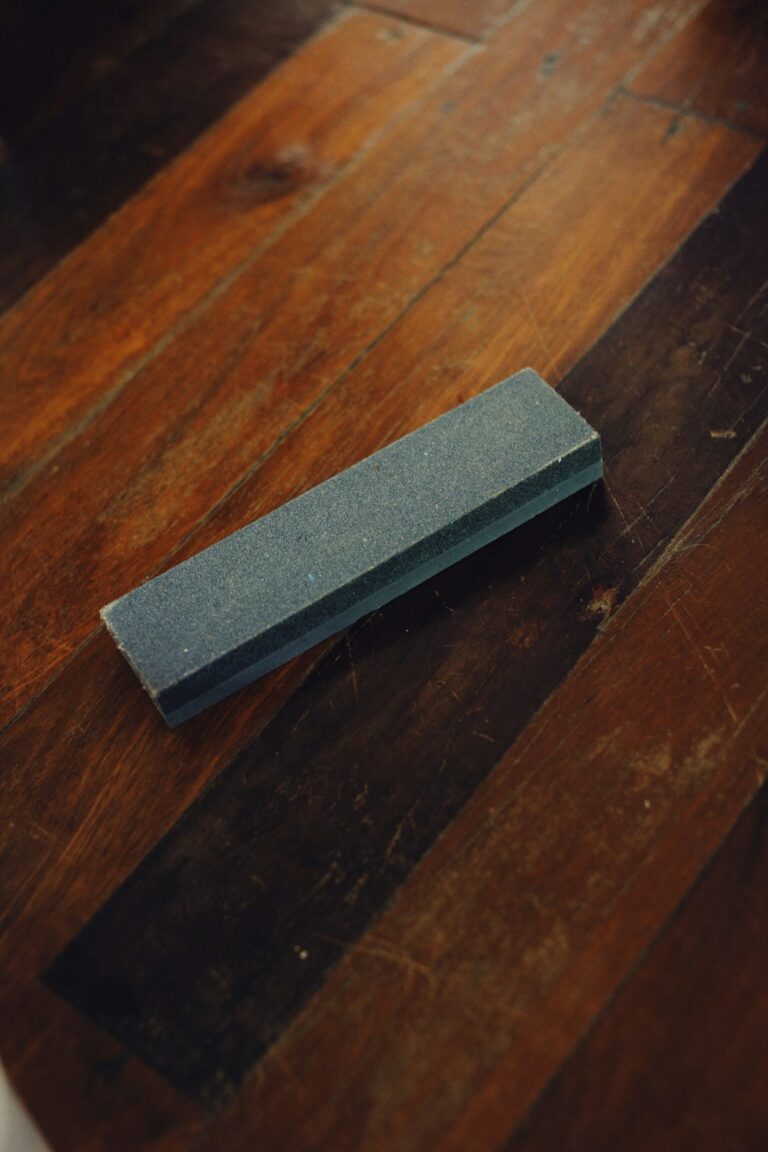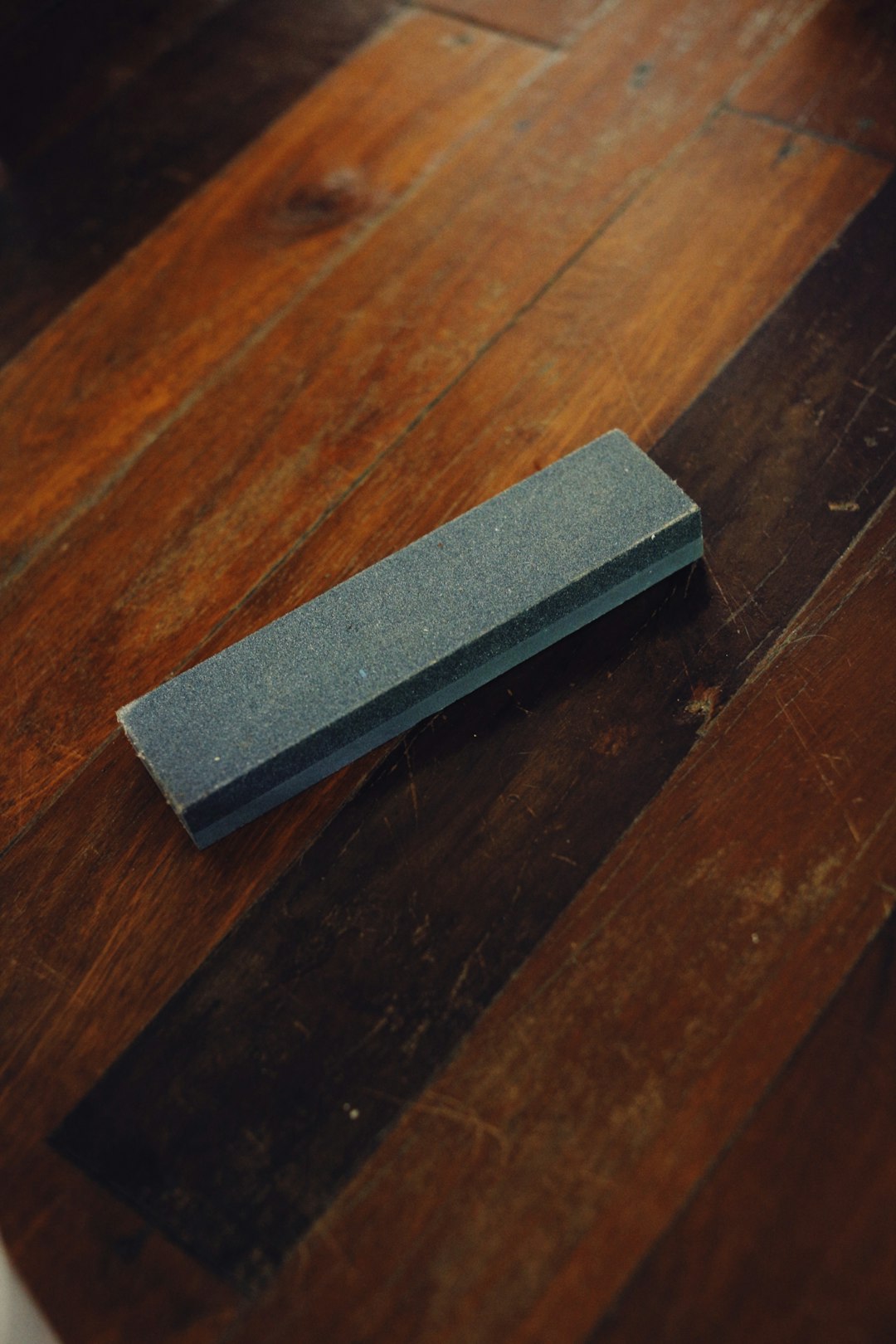
Shapton Kuromaku 1000 vs Shapton Rockstar 1000: What Changed
As an Amazon Associate, I earn from qualifying purchases. Steel and Strop is reader-supported — links to Amazon below use my affiliate tag, at no extra cost to you.
Rockstar isn’t a replacement for Kuromaku — it’s a second, more forgiving option sitting below it. Kuromaku uses a harder, more advanced ceramic bond that cuts precisely and holds up for years but rewards a more careful hand. Rockstar uses a softer, more standard ceramic that’s easier to learn on and still splash-and-go, aimed at people who want Shapton’s convenience without Kuromaku’s steeper learning curve.
Shapton didn’t discontinue anything here — they added a stone underneath their flagship line, which naturally raises the question of who the new one is actually for.
The material difference, in plain terms
Kuromaku’s ceramic bond is often described as “super hard” — it resists dishing exceptionally well and holds a flat surface for a long time, but that same hardness means it takes more precision and a steadier hand to get the most out of it. Rockstar uses a more conventional ceramic material. It’s still a genuine splash-and-go stone with no soaking required, but it feels noticeably more approachable, more forgiving of imperfect technique, in exchange for being slightly less demanding of the stone’s abrasive over time.
At a glance
| Spec | Kuromaku 1000 | Rockstar 1000 |
|---|---|---|
| Ceramic bond | Super-hard, advanced | Standard, more approachable |
| Ease of use for beginners | Steeper learning curve | Easier, more forgiving |
| Edge refinement ceiling | Slightly higher, more precise | Very good, not quite as fine |
| Soaking required | No — splash and go | No — splash and go |
| Price tier | Premium | Slightly more accessible |
Why this matters more than the numbers suggest
A 1000 grit stone’s job is largely the same regardless of brand — set or repair an edge before refining it further. The differences between Kuromaku and Rockstar show up less in what the stone can eventually do and more in how much effort it takes to get there. Someone still learning to hold a consistent angle will feel Rockstar’s forgiveness immediately; someone who already has steady technique may never notice a limitation on Kuromaku at all.
Who should actually buy Rockstar over Kuromaku
If this is your first Shapton stone, or your first stone period, Rockstar’s easier feel removes one variable while you’re still building fundamentals — you’re not fighting the stone and your technique at the same time. Enthusiasts who already own and like a Kuromaku stone generally don’t describe a strong reason to switch; the appeal of Rockstar is mostly for someone starting fresh.
Where Kuromaku still wins
For someone who already sharpens confidently and wants to push toward the finest, most consistent edge a splash-and-go stone can deliver, Kuromaku’s harder bond is the one enthusiast circles keep pointing back to. That extra precision isn’t hypothetical — it’s the reason Kuromaku became Shapton’s flagship line in the first place, well before Rockstar existed.
Frequently asked questions
Is Shapton Rockstar a budget version of Kuromaku?
Not exactly budget, but it is more accessible and easier to learn on. It’s a genuinely different ceramic formulation, not a cheapened Kuromaku.
Should a beginner buy Rockstar or Kuromaku?
Rockstar is generally the friendlier starting point. Kuromaku rewards technique you may not have built yet.
Did Shapton discontinue the Kuromaku line?
No — Rockstar was added alongside it, not as a replacement. Kuromaku remains Shapton’s higher-end offering.
Steel and Strop tests and compares kitchen knives and sharpening gear. This comparison reflects manufacturer specifications and consistent, long-running owner and enthusiast reporting on both lines.