Naniwa Chosera 1000 vs Shapton Kuromaku 1000: Splash-and-Go Showdown
As an Amazon Associate, I earn from qualifying purchases. Steel and Strop is reader-supported — links to Amazon below use my affiliate tag, at no extra cost to you.
Naniwa Chosera is widely considered the better-performing stone — faster cutting, better feedback, a bit of an enthusiast favorite — but it’s also more fragile and pricier, and drop one on a tile floor and you’re buying a replacement. Shapton Kuromaku gives up a small amount of that top-end feel in exchange for being tougher, cheaper, and just as convenient day to day. Buy the Chosera if you’re chasing the best possible stone and you’ll treat it carefully. Buy the Kuromaku if you want something that’ll survive a busy kitchen without babying it.
Both stones solve the soaking problem that trips up a lot of first-time buyers of traditional Japanese stones — you’re not stuck waiting fifteen minutes before you can start. Where they part ways is durability and cost, not convenience.
Nearly the same convenience, different price for it
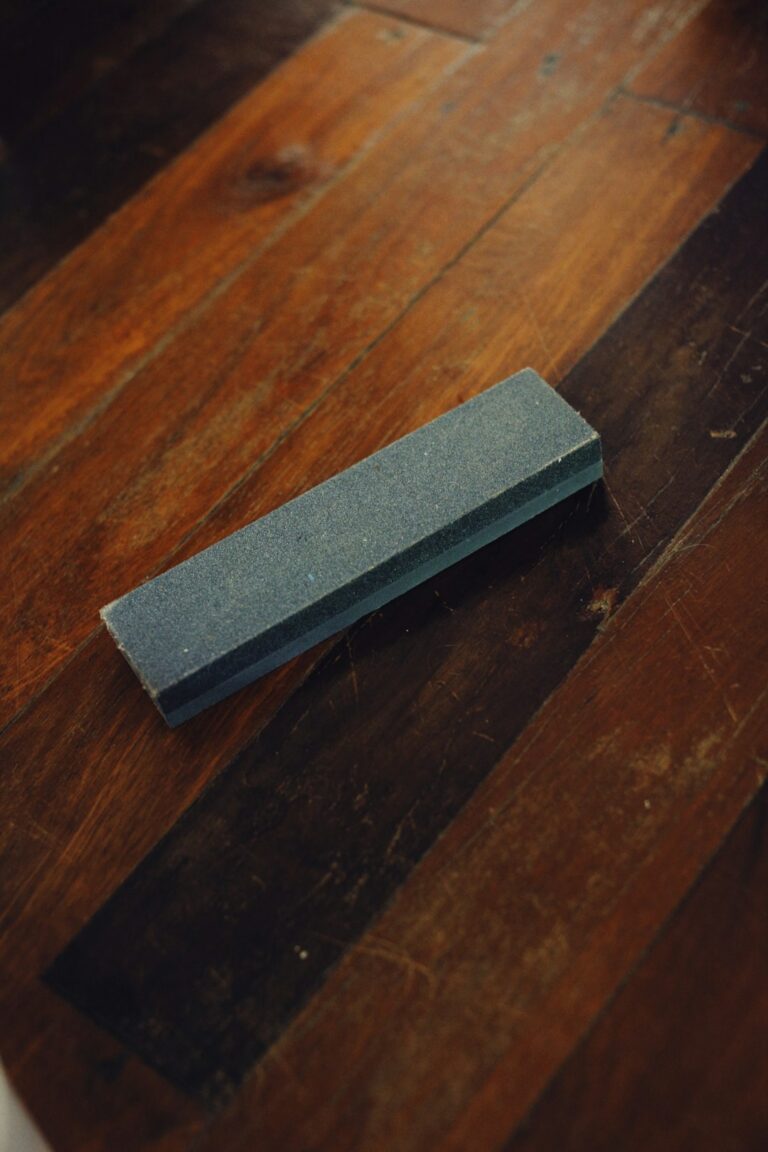
Naniwa’s Chosera line asks for at most a short splash or brief soak rather than the long soak traditional stones need, and it cuts fast even at 1000 grit — a lot of experienced sharpeners rate the feedback and cutting speed as some of the best in this grit range. Shapton’s Kuromaku is fully splash-and-go, ceramic-bonded, and while it doesn’t quite match the Chosera’s reputation for feel, it’s close enough that most home cooks wouldn’t notice the gap in a blind test.
The real difference shows up in how forgiving each stone is of an accident. Chosera stones have a reputation — deserved, by most accounts — for being more brittle. Drop one, or let it dry out and crack from temperature changes, and it’s genuinely gone. Shapton’s stones are tougher across the board, which matters more than it sounds like in a kitchen where things get knocked around.
At a glance
| Spec | Naniwa Chosera 1000 | Shapton Kuromaku 1000 |
|---|---|---|
| Prep needed | Splash or brief soak | Splash only, fastest to start |
| Cutting speed / feedback | Excellent — enthusiast favorite | Very good, slightly behind |
| Durability | More fragile, chips/cracks if dropped | Tougher, more forgiving of accidents |
| Price tier | Premium | Mid |
| Best for | Enthusiasts chasing top-tier feel | Busy kitchens, less careful handling |
Is the extra performance from Chosera actually noticeable?
For someone who sharpens a handful of knives a month, probably not in any way that changes the outcome — both stones will get a kitchen knife properly sharp. The difference shows up more in the process than the result: Chosera tends to feel a little more communicative under the blade, giving clearer feedback about burr formation, which experienced sharpeners appreciate and beginners often don’t notice either way.
What “more fragile” actually means in daily use
This isn’t a stone that shatters if you look at it wrong, but it is one where dropping it on a hard floor, letting it freeze while wet, or storing it somewhere it can get knocked around are real risks in a way they simply aren’t with the Kuromaku. If your sharpening setup is a permanent, careful station, that’s a non-issue. If your stone lives in a drawer and gets pulled out and put away around a busy kitchen, the tougher option is the lower-stress choice.
Who should buy which
Buy the Naniwa Chosera if you’re already invested in sharpening as a hobby, you’ll store and handle it carefully, and you want the stone regularly rated among the best in its grit. Buy the Shapton Kuromaku if you want nearly all of that performance without worrying about a costly accident, or if this is going into a working kitchen environment rather than a dedicated sharpening bench.
Frequently asked questions
Is Naniwa Chosera better than Shapton Kuromaku?
Many experienced sharpeners rate Chosera’s feel and cutting speed slightly higher, but the practical gap is small. Shapton’s durability advantage matters more for most people day to day.
Does Naniwa Chosera need soaking?
Only a brief soak or splash, much shorter than a traditional stone like King. It’s not fully splash-and-go the way Shapton is, but it’s close.
Is Naniwa Chosera fragile?
Yes, relative to Shapton — it has a reputation for cracking if dropped or exposed to temperature extremes while wet. Handle and store it carefully.
Steel and Strop tests and compares kitchen knives and sharpening gear. Durability and performance characteristics above reflect consistent, widely reported owner and enthusiast experience with both stone lines.