Leather Strop vs Ceramic Honing Rod: Which Keeps an Edge Longer?
One realigns an edge, the other does a tiny bit of actual sharpening. On hard Japanese steel, that difference matters more than you’d think.

One realigns an edge, the other does a tiny bit of actual sharpening. On hard Japanese steel, that difference matters more than you’d think.
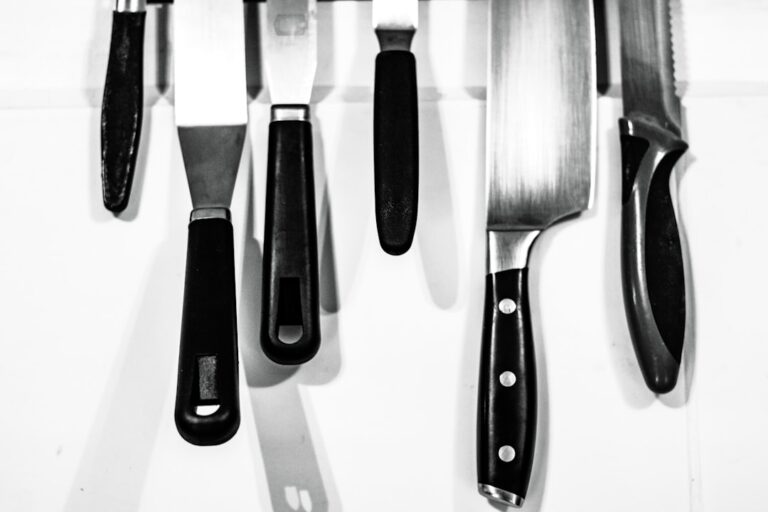
One knife has no point at all and is arguably the better vegetable tool for it. Here’s why a nakiri’s flat edge beats a santoku for pure veg prep.
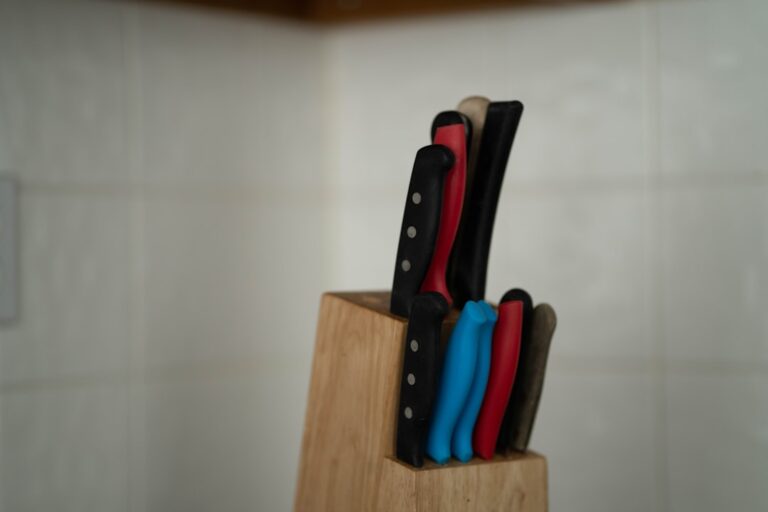
Both are marketed as the essential Japanese chef’s knife. Only one is genuinely built to be your only knife. Here’s the real difference in shape and job.
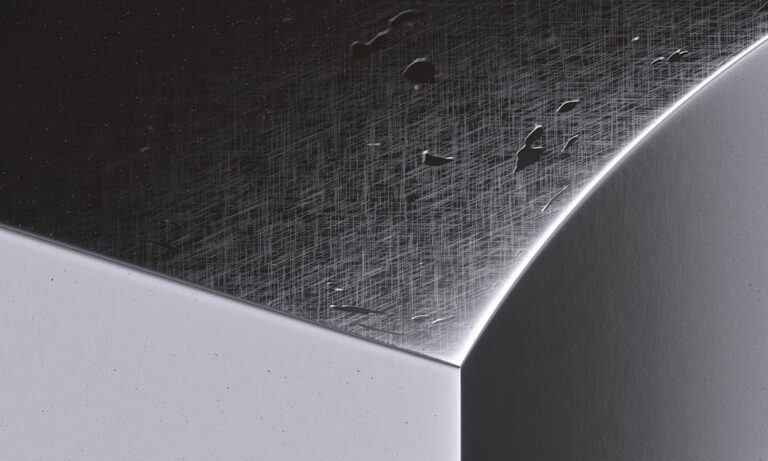
Yes, and it’s on purpose. Here’s why German knife makers chose a softer steel deliberately, and what you actually trade for VG-10’s extra hardness.
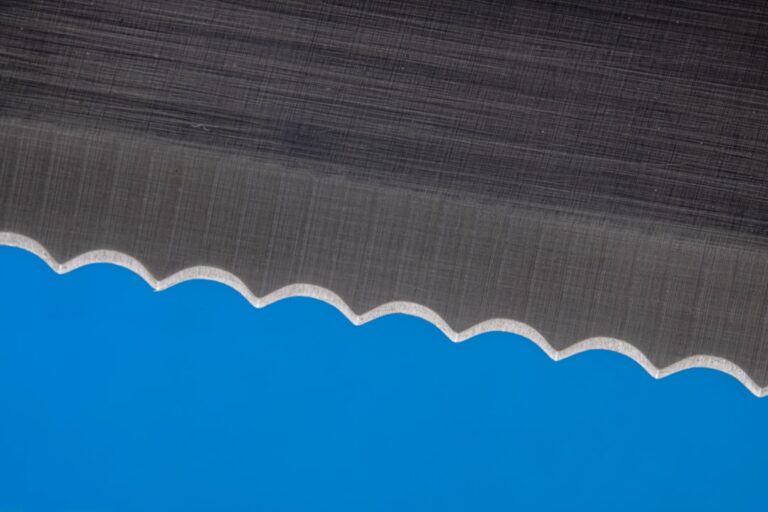
Both are traditional Japanese carbon steels with real followings. One sharpens easier and cuts sharper out of the gate. The other holds that edge longer.

One is built specifically for kitchen knives with fine, stepless control. The other is a faster, more versatile belt sharpener for a wider range of blades.

Both are diamond flattening plates, but one design lets swarf escape and the other can clog. Here’s the practical difference once you’re actually using them.

Glass Stones cost 30-40% more than the Pro (Kuromaku) line and handle much harder steel. Here’s whether your knives actually need that upgrade.
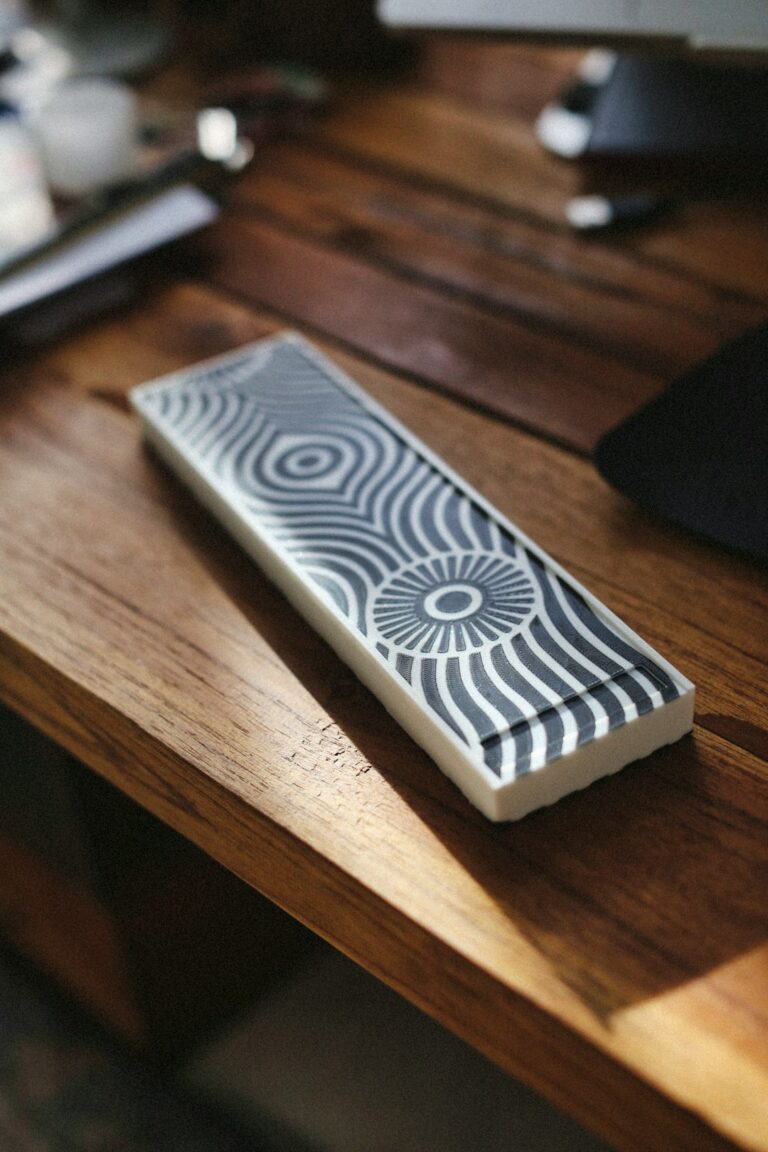
Same brand, two very different price points and personalities. Here’s what separates Naniwa’s flagship stone line from its more affordable Super Stone range.
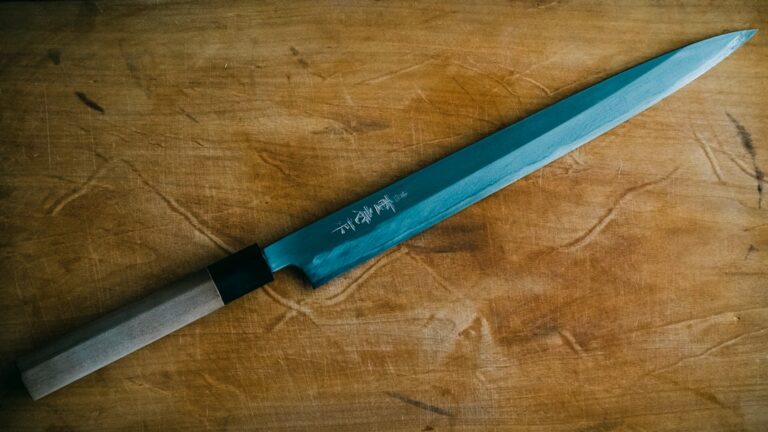
Both are premium Damascus-clad Japanese knives around the same price. One uses a noticeably harder core steel. Here’s what that trade actually costs you.