Tojiro DP vs Tojiro Shirogami: Stainless or Carbon for a First Knife?
Same maker, two completely different steel philosophies. One asks for zero babying, the other rewards it with an edge that’s genuinely hard to beat.

Same maker, two completely different steel philosophies. One asks for zero babying, the other rewards it with an edge that’s genuinely hard to beat.
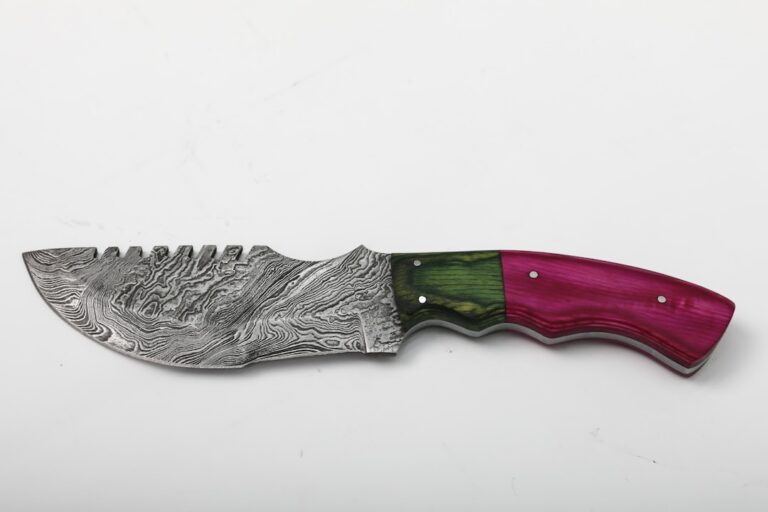
Same core steel, same maker — but the Premier line costs noticeably more. Here’s exactly what that difference is, and whether it’s worth paying for.

Both are forged German stainless with near-identical steel. The real difference is blade profile — and it changes which cutting technique each knife rewards.
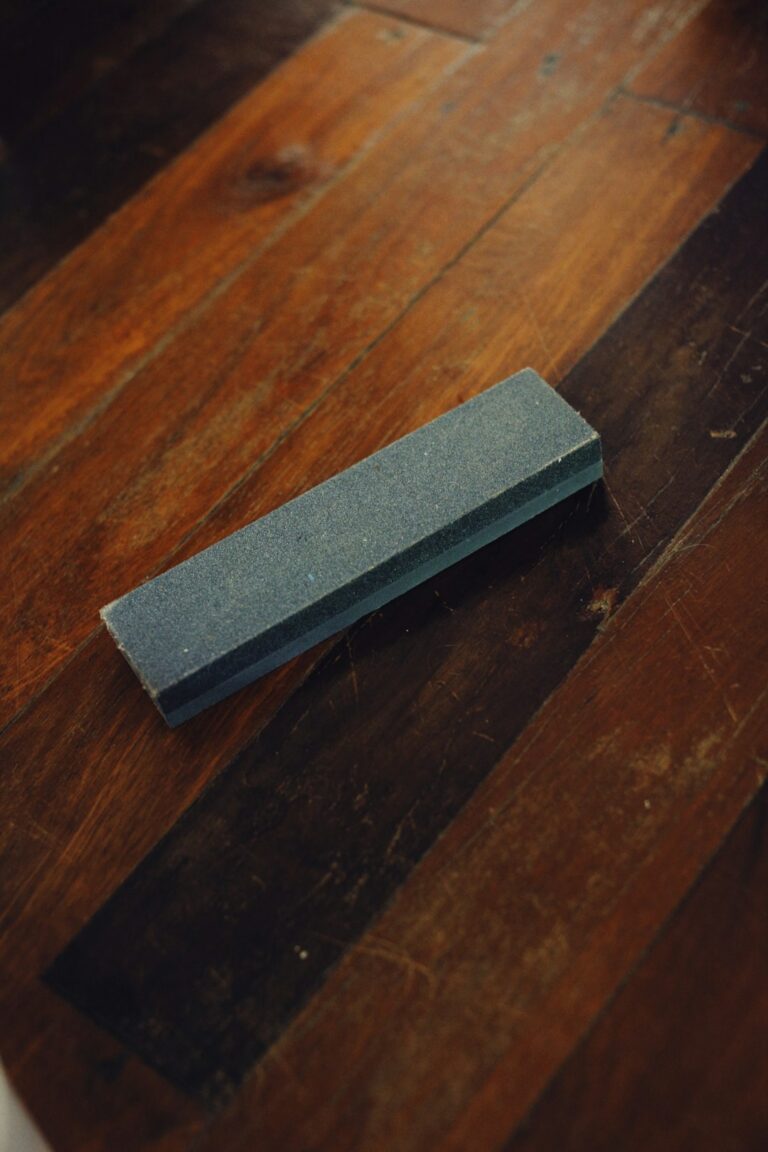
These two grits get bought as a pair constantly, but most home cooks only actually need one of them. Here’s how to tell which.

SG2 costs more than VG-10 and holds an edge noticeably longer. Here’s whether that gap is worth paying for in a home kitchen, and where it stops mattering.

One is a foolproof touch-up tool with real limits. The other is a full sharpening system with a bit more to learn. Here’s which one to start with.
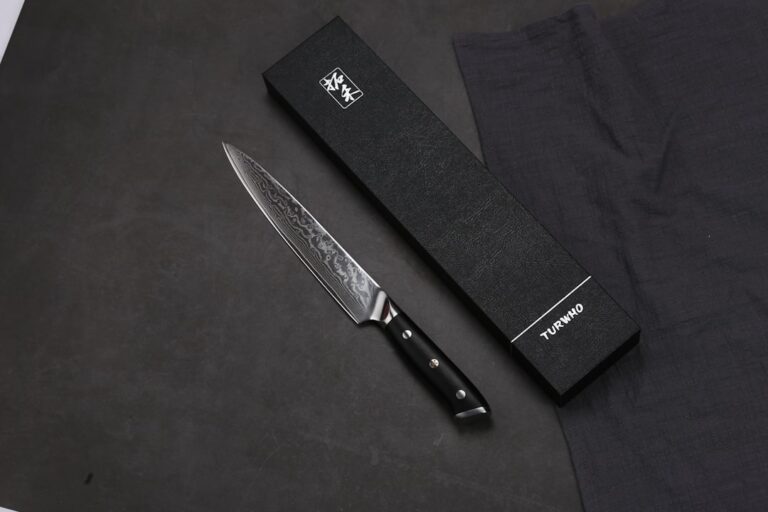
Misono UX10 costs close to double a MAC MTH-80. Here’s what that extra money is actually buying, and whether a home cook would notice.
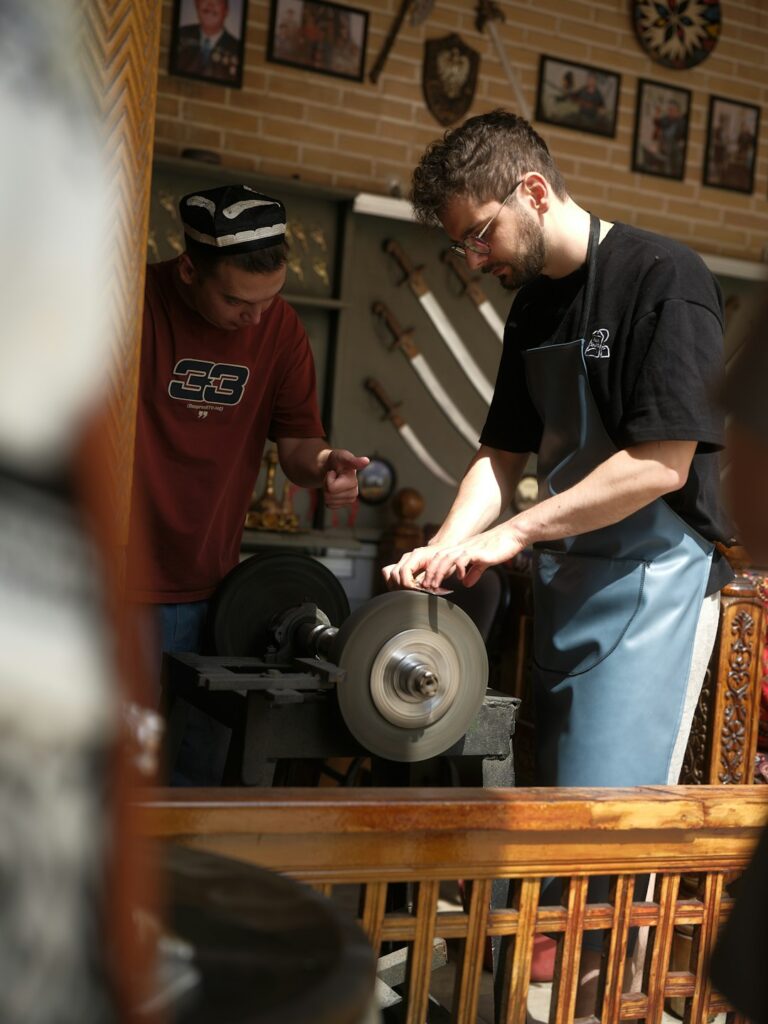
Both are traditional soaking stones, but one dishes far faster than the other. Here’s whether the cheaper combination stone is actually the better first buy.
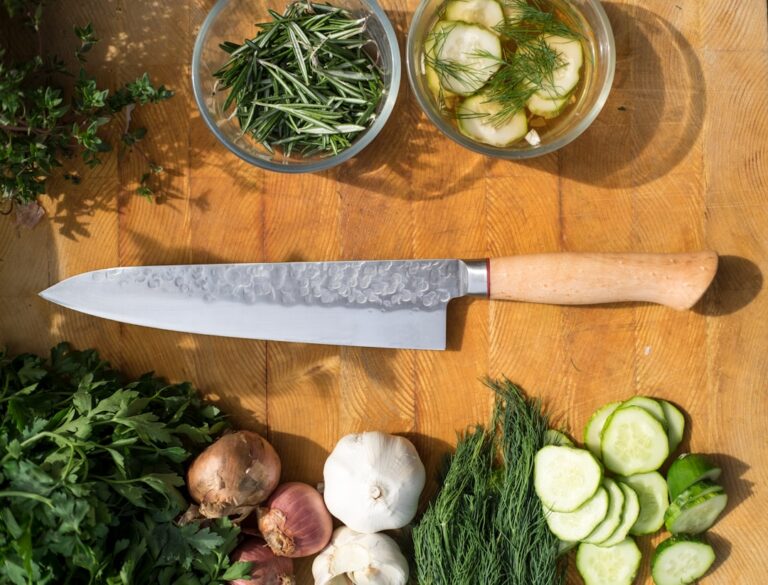
Both use nearly identical steel and cost roughly the same. The real difference between these two culinary-school staples is the handle, not the blade.

Both are precision clamp-style sharpening systems for serious users. One sharpens both sides at once. Here’s whether that’s worth the extra cost.