How Long Does a Whetstone Last? Real Numbers From Real Use
As an Amazon Associate, I earn from qualifying purchases. Steel and Strop is reader-supported — links to Amazon below use my affiliate tag, at no extra cost to you.
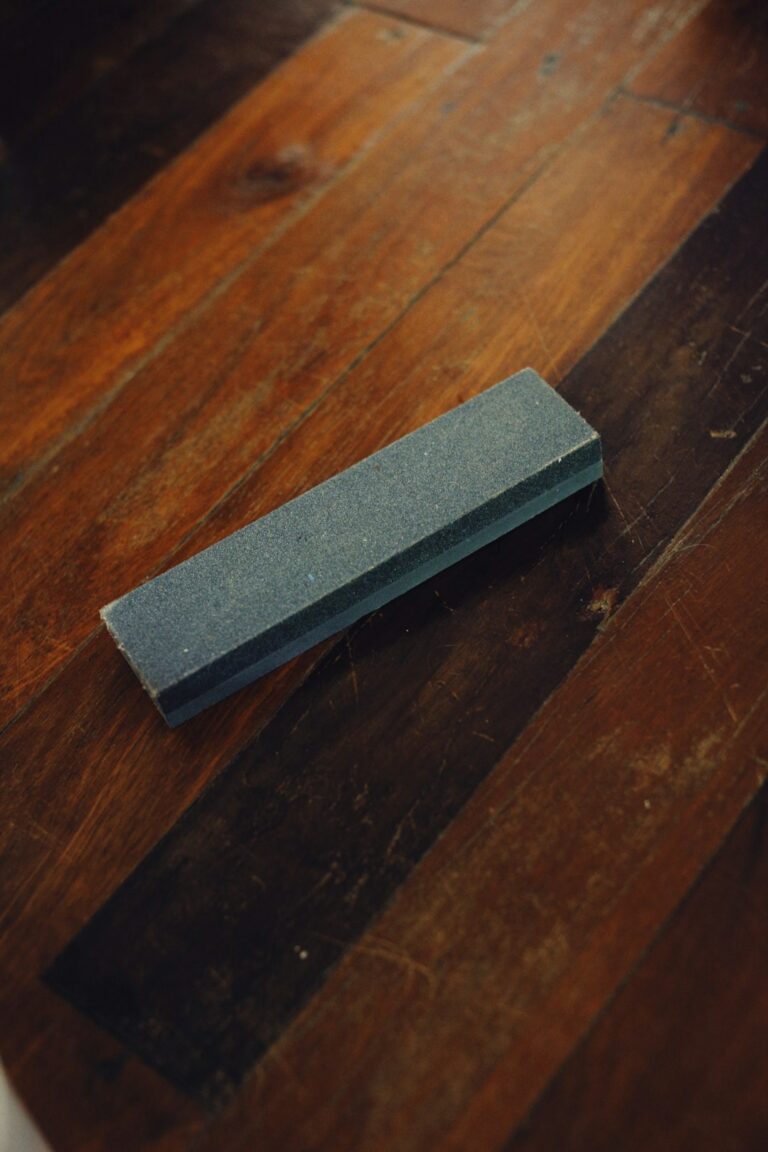
For typical home use — a couple of knives sharpened a few times a month — even a soft stone like a King can realistically last several years before it wears thin enough to matter, and a hard splash-and-go stone like Shapton can last a decade or more. The real variable isn’t the calendar, it’s total sharpening volume: how many knives, how often, and how much pressure you use each time.
This question is usually driven by sticker shock at premium stone prices, and the reassuring answer is that most home cooks will never come close to wearing one out.
What actually uses up a stone
A whetstone wears down through the same abrasive action that sharpens your knife — every stroke removes a microscopic amount of the stone’s surface along with the metal it’s grinding off the blade. Softer stones, built to release material quickly for a fast cut, wear noticeably faster per session than hard, ceramic-bonded stones. Total lifespan comes down to how many total sharpening sessions a stone sees over its life, multiplied by how much material each session removes — which is why a professional sharpener working through dozens of knives a week will wear out even a premium stone far faster than a home cook ever will.
At a glance
| Stone type | Typical lifespan, home use (a few knives/month) |
|---|---|
| Soft traditional (King and similar) | Several years, often 3–5+ |
| Medium (Suehiro Cerax, Naniwa Super Stone) | 5+ years |
| Hard splash-and-go (Shapton, Naniwa Chosera) | A decade or more, in many cases |
Why premium stone prices don’t need to scare a home cook
A lot of the anxiety around stone lifespan comes from prices that look steep for what’s essentially a block of bonded abrasive. In practice, spread across years of occasional home use, even an expensive stone works out to a genuinely small cost per sharpening session — considerably less than most people spend maintaining almost anything else in a kitchen over the same period.
What shortens a stone’s life faster than expected
Frequent, heavy-handed flattening is the most common way people unintentionally shorten a stone’s usable life — removing more material than necessary each time you check for flatness. Sharpening a lot of very dull or damaged knives, which requires more aggressive work at the coarse end, also uses up a stone faster than routine touch-up sharpening does. Neither of these is something to avoid entirely, just something to be aware of if you want to maximize how long a stone lasts.
How to tell when a stone is actually nearing the end
Most stones become noticeably thin well before they become unusable, at which point some people simply mount the remaining thin piece to a wooden block for continued use rather than replacing it outright. A stone that’s cracked, chipped significantly, or has stopped cutting effectively even after flattening is a clearer sign it’s genuinely done, rather than just older.
Frequently asked questions
Do expensive stones last longer than cheap ones?
Generally, yes — harder, more premium stones wear more slowly per session than soft traditional stones, though both will last years under typical home use.
What actually wears out a whetstone?
Every sharpening stroke removes a tiny amount of the stone’s surface along with metal from the blade. Total wear depends on how many sessions the stone sees and how much material each one removes.
Can I keep using a stone once it gets thin?
Yes, often — many people mount a thin stone to a wooden block and continue using it until it cracks, chips badly, or stops cutting effectively.
Steel and Strop tests and compares kitchen knives and sharpening gear. Lifespan estimates reflect typical home-use patterns and widely reported owner experience across stone types.