King 1000/6000 Whetstone Review: Still the Best Budget Stone?
As an Amazon Associate, I earn from qualifying purchases. Steel and Strop is reader-supported — links to Amazon below use my affiliate tag, at no extra cost to you. This review compiles manufacturer specifications and long-running, widely shared owner experience rather than a single in-house test.
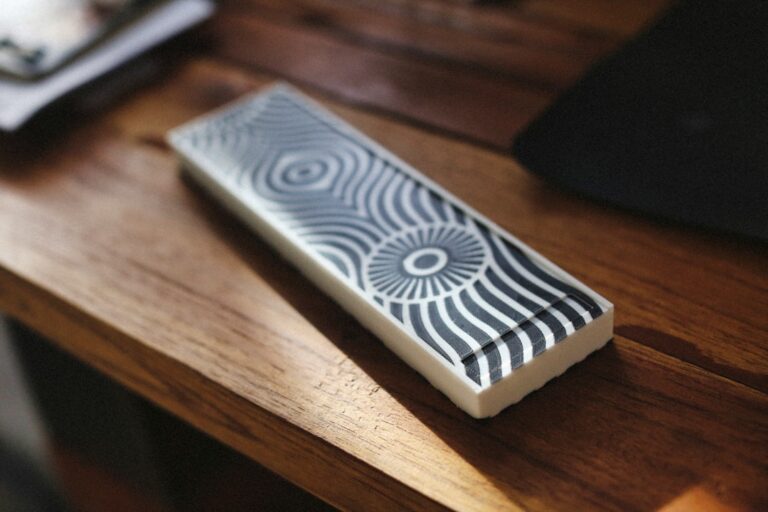
Yes, largely — for a first stone on a real budget, the King 1000/6000’s combination of two working grits in one inexpensive product remains hard to beat, and it’s still the most commonly recommended starting stone in beginner sharpening guides. Its honest weaknesses, consistently reported by owners, are the soak time and how quickly it dishes compared to newer splash-and-go alternatives.
Newer stones have chipped away at some of King’s advantages over the years, but the core value proposition — two grits, one low price — hasn’t really been matched at the same price point.
What keeps this stone recommended
The most consistent praise across reviews is the sheer practicality of getting a repair grit and a finishing grit in a single, affordable purchase. For someone who isn’t sure yet whether sharpening will become a regular habit, that’s a genuinely lower-risk way to get a complete, if modest, sharpening kit without committing to multiple separate stone purchases. Owners also consistently note that it cuts fast for its price, particularly on the 1000 side.
At a glance
| Spec | Detail |
|---|---|
| Grits included | 1000 and 6000, one stone |
| Soak time | 10–15 minutes |
| Wear rate | Dishes faster than harder alternatives |
| Cutting speed | Fast, especially the 1000 side |
| Price | Among the lowest for two working grits |
The honest weaknesses, as owners describe them
The soak requirement is the most frequently mentioned inconvenience — 10 to 15 minutes before you can even begin, compared to a splash-and-go stone’s near-instant readiness. The second consistent complaint is how quickly it dishes with regular use, which means flattening becomes a genuine, recurring part of the routine rather than an occasional afterthought. Neither is a defect exactly — it’s the direct trade-off for being soft, cheap, and fast-cutting — but both are worth knowing about before buying.
How it holds up against newer competition
Splash-and-go stones like Shapton’s Kuromaku line have genuinely eroded one of King’s advantages: convenience. If money is no object, most experienced sharpeners today would point a complete beginner toward a harder, lower-maintenance stone instead. King’s continued recommendation really comes down to price — it remains one of the cheapest ways to get two genuinely usable grits in a single purchase, and that specific combination hasn’t been matched at the same cost.
Who should still buy it
Anyone on a tight budget who wants a complete two-grit starting kit in one purchase, and who doesn’t mind the soak time and more frequent flattening that comes with it. If budget is more flexible, a single splash-and-go stone plus a separate finishing stone is the direction most experienced sharpeners would now recommend instead.
Frequently asked questions
Is King 1000/6000 still worth buying in 2026?
Yes, particularly for budget-conscious first-time buyers — its combination of two grits at a low price remains hard to match, even with newer splash-and-go alternatives available.
What’s the biggest downside of this stone?
The soak time and how quickly it dishes with regular use, both direct trade-offs for being an inexpensive, fast-cutting stone.
Is it good enough for Japanese knives?
Yes — it’s been a standard recommendation for Japanese knife sharpening for years, with the maintenance trade-offs as its main known limitation.
Steel and Strop tests and compares kitchen knives and sharpening gear. This review reflects manufacturer specifications and consistent, long-running owner and enthusiast reporting.