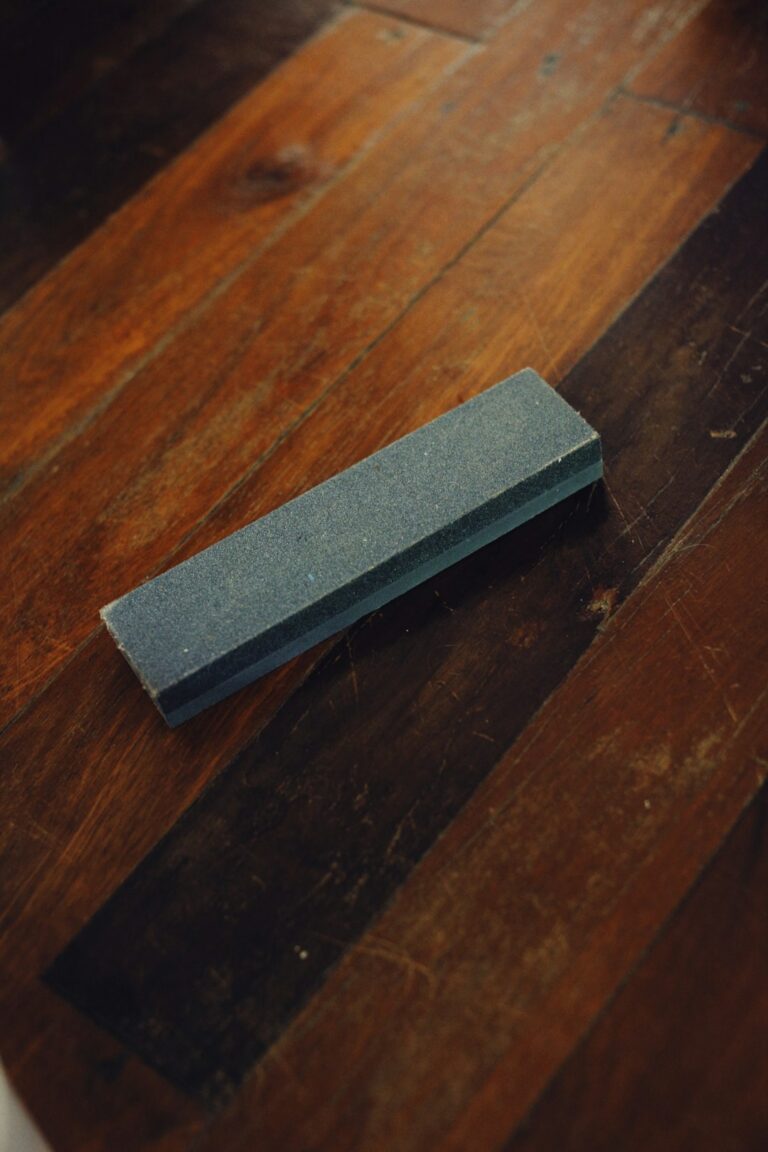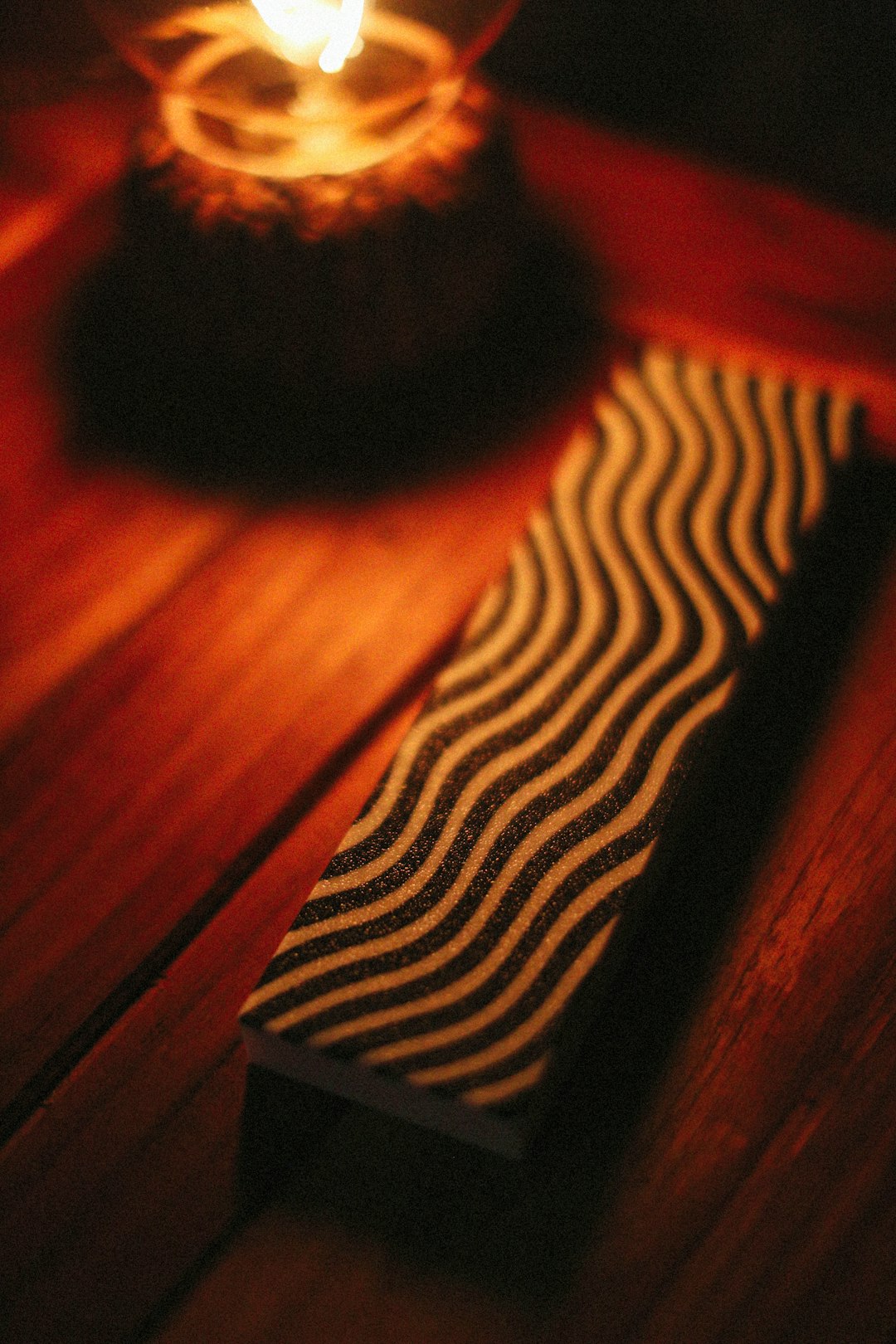
Suehiro Rika 5000 Review: The Finishing Stone That Punches Up
As an Amazon Associate, I earn from qualifying purchases. Steel and Strop is reader-supported — links to Amazon below use my affiliate tag, at no extra cost to you. This review compiles manufacturer specifications and retailer/owner reporting rather than a single in-house test.
Reviewers consistently rate the Rika 5000 as unusually fast-cutting for its grit, and several report preferring it over pricier competitors like the Naniwa Chosera 5000 and Shapton Pro 5000 for feel and feedback. The one recurring warning: it retains moisture for a long time and needs to be fully dried before storage, with at least one reported case of mold developing after storage in a poorly ventilated spot.
Finishing stones in this grit range are numerous, which makes a stone that repeatedly gets singled out by name in comparisons worth a closer look.
Why it’s rated above some pricier alternatives
Reports describe the Rika 5000 cutting noticeably faster than its grit number would suggest — one common description calls it “improbably fast” for a 5000-grit stone, which usually implies a slower, more deliberate polishing process. Combined with a soak time of just five to ten minutes (short compared to many traditional stones), reviewers who’ve directly compared it to the Naniwa Chosera 5000 and Shapton Pro 5000 have specifically preferred its feel and feedback while sharpening.
At a glance
| Spec | Detail |
|---|---|
| Soak time | 5–10 minutes — shorter than many soaking stones |
| Cutting speed | Fast for its grit — a recurring highlight |
| Finish quality | Clean, hazy polish, slightly toothy rather than mirror |
| Moisture retention | High — needs full drying before storage |
| Best suited to | Maintaining an already well-kept edge |
The storage warning worth taking seriously
Multiple sources flag that this stone holds onto moisture longer than many alternatives, and at least one detailed owner account describes mold developing after roughly two weeks of standard air-drying in a less ventilated storage spot. The fix reported by experienced owners is straightforward — store it somewhere genuinely well-ventilated, and make sure it’s properly dry before putting it away for any length of time — but it’s a real, specific maintenance requirement rather than a hypothetical concern.
What kind of finish does it actually leave?
Descriptions vary slightly, with some reviewers calling the result a “near mirror polish” and others describing it as “a bit toothy” rather than fully mirror-smooth. Taken together, this suggests a genuinely clean, refined edge that isn’t quite as glassy as the very highest grit finishing stones — consistent with its positioning as a stone for maintaining a knife that’s already in decent shape, rather than one built purely for showcase polishing.
Who should buy this stone
Buy it if you want a fast-cutting, well-regarded finishing stone and you’re prepared to store it properly to avoid the moisture issue. If storage space with good ventilation is a genuine constraint, a stone with a lower reported moisture-retention profile might be the more practical choice, even if it sacrifices some of the Rika’s praised cutting speed.
Frequently asked questions
Is Suehiro Rika 5000 better than Naniwa Chosera 5000?
Some reviewers who’ve used both prefer the Rika’s feel and feedback, though both are well-regarded finishing stones. Preference here comes down partly to personal feel, not a clear performance gap.
Does this stone need a long soak?
No — five to ten minutes is typical, shorter than many traditional soaking stones.
Why does this stone need special storage care?
It retains moisture longer than many alternatives, and inadequate drying or ventilation has been linked to mold developing during storage. Full drying before storage is important.
Steel and Strop tests and compares kitchen knives and sharpening gear. This review reflects manufacturer and retailer specifications alongside reported owner experience.