Atoma 140 Diamond Plate Review: Expensive, and Worth It
As an Amazon Associate, I earn from qualifying purchases. Steel and Strop is reader-supported — links to Amazon below use my affiliate tag, at no extra cost to you. This review compiles manufacturer specifications and long-running enthusiast forum reporting rather than a single in-house test.
Yes, for anyone flattening stones regularly. The perforated, electroplated design is consistently reported to resist clogging far better than continuous-surface diamond plates, which means it keeps cutting aggressively for longer between cleanings and, most reviewers say, over the plate’s overall lifespan. For occasional flattening a few times a year, the price premium over a cheaper alternative is harder to justify.
Diamond plates aren’t cheap, and the Atoma sits toward the pricier end — which makes its consistent recommendation across experienced sharpener communities worth examining rather than taking at face value.
Why the perforated design keeps coming up
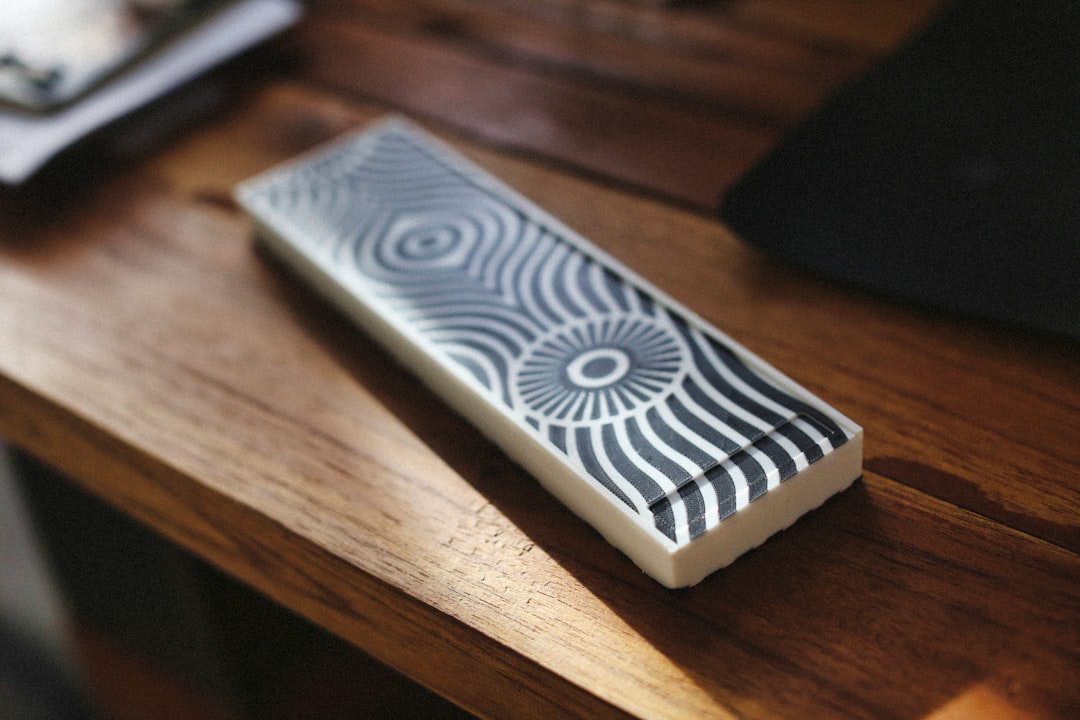
The Atoma’s individually electroplated diamonds sit in a plate with small holes throughout, letting loose grit and stone slurry escape during use rather than building up between the diamond particles. Reviewers and forum discussions consistently point to this as the reason it stays fast-cutting longer than continuous-surface alternatives, which can gradually clog and slow down, especially when flattening soft, muddy stones like a traditional King.
At a glance
| Spec | Detail |
|---|---|
| Surface design | Perforated — resists clogging |
| Cutting speed over time | Stays aggressive, widely reported |
| Best use | Dedicated stone flattening |
| Availability | Good, more of a specialist item than DMT |
| Price | Premium among flattening plates |
Does the price actually pay off?
For anyone flattening stones often — several knives a week, or a household that shares a sharpening setup — the reported longevity and consistent cutting speed genuinely offset the higher upfront cost over time, according to long-term owners comparing it to cheaper alternatives that needed replacing sooner or required more frequent rinsing to stay effective. For occasional use, a cheaper continuous-surface plate will do the job adequately, just with a bit more attention needed to keep it clear of debris during use.
Is it better than DMT specifically?
Most direct comparisons come down in the Atoma’s favor for pure flattening performance and clog resistance, though DMT remains well regarded and has the advantage of being usable directly as an aggressive sharpening surface in its own right, which the Atoma is less commonly used for. Neither is a bad choice — the Atoma edges ahead specifically for dedicated, frequent flattening duty.
Who should spend the extra money
Buy the Atoma 140 if you flatten stones often enough that clogging and slowdown are a real, recurring annoyance with a cheaper plate. If you flatten only occasionally, the price premium is a harder sell, and a more affordable diamond plate will handle the job without much complaint.
Frequently asked questions
Is the Atoma 140 worth the extra cost over cheaper diamond plates?
For frequent use, most experienced sharpeners say yes, citing its resistance to clogging and consistent long-term cutting speed. For occasional use, the premium is less clearly justified.
Does the Atoma 140 clog like other diamond plates?
Much less, according to widespread reporting — its perforated design lets debris escape rather than building up between the diamonds.
Can I use the Atoma 140 directly on a knife?
You can, but it’s more commonly used and recommended specifically as a dedicated flattening tool rather than a direct sharpening surface.
Steel and Strop tests and compares kitchen knives and sharpening gear. This review reflects manufacturer specifications and consistent, long-running enthusiast forum reporting.