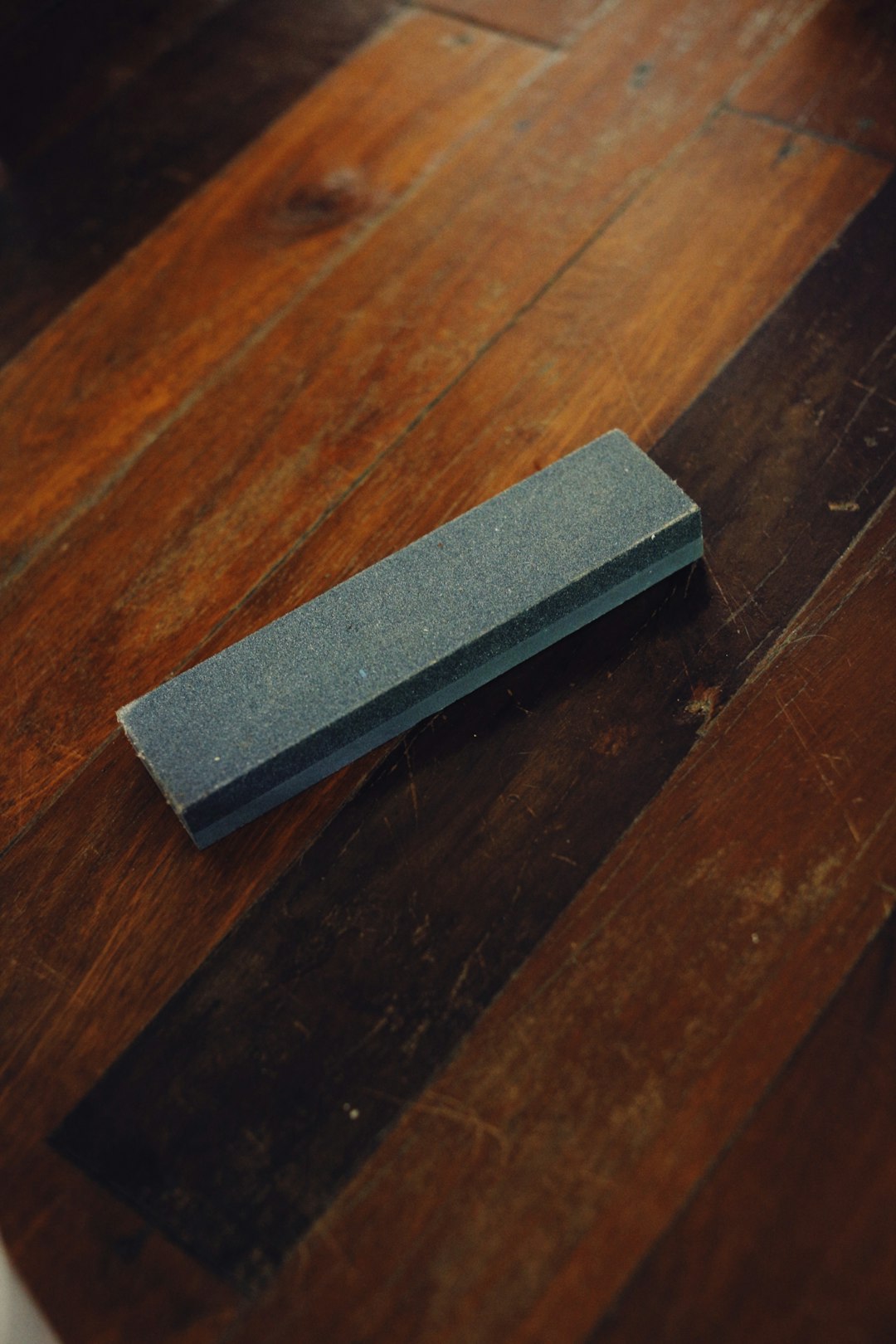
Naniwa Chosera 800 Review: Fast Cutting, Fragile Stone
As an Amazon Associate, I earn from qualifying purchases. Steel and Strop is reader-supported — links to Amazon below use my affiliate tag, at no extra cost to you. This review compiles manufacturer specifications and long-running enthusiast reporting rather than a single in-house test.
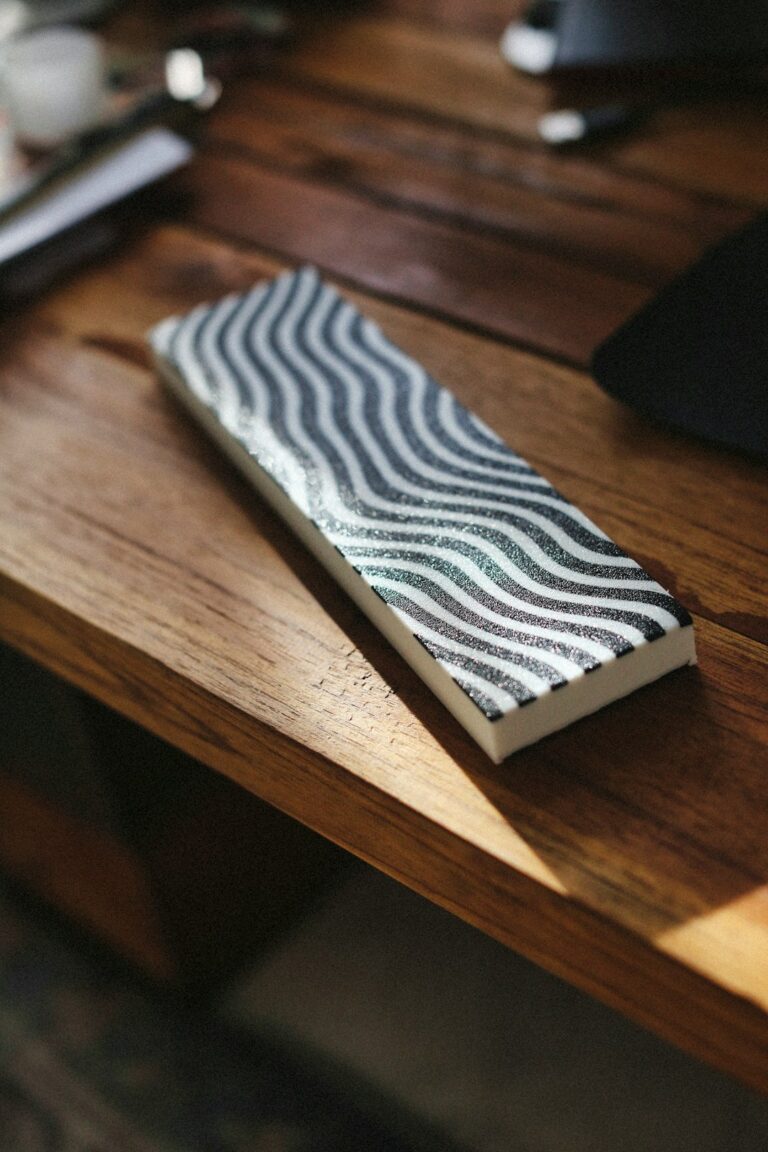
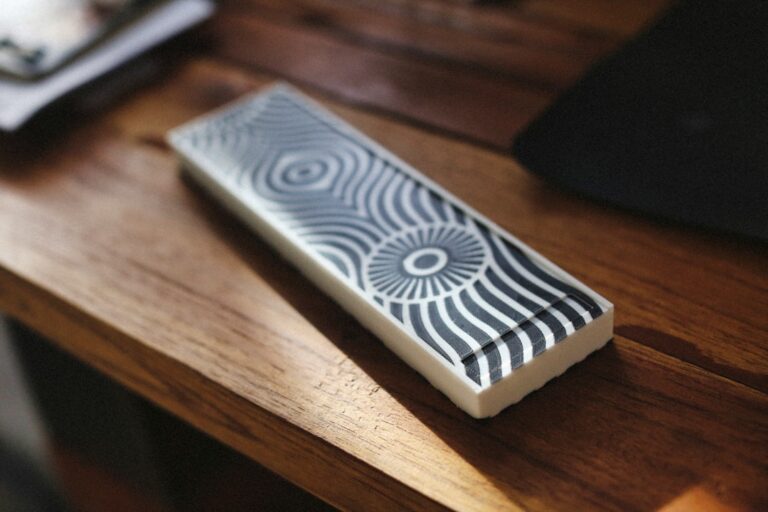
Enthusiast consensus consistently rates the Chosera 800 among the best repair-grit stones available — fast, communicative feedback, and a genuinely excellent stone for correcting damage or reprofiling an edge. The equally consistent caveat is fragility: it has a reputation for chipping or cracking if dropped or exposed to temperature extremes while wet, more so than tougher alternatives like Shapton.
The Chosera line’s reputation as a premium performer has held remarkably steady across years of enthusiast forum discussion, and so has the warning that comes with it.
Why it’s so highly rated for repair work
An 800 grit stone sits in genuine repair territory — this is the grit you reach for when an edge has real damage, needs reprofiling, or has gone badly neglected. Reviewers consistently describe the Chosera 800 as cutting fast and giving unusually clear feedback about what’s happening at the edge, which experienced sharpeners value highly when doing more involved corrective work rather than routine touch-ups.
At a glance
| Spec | Detail |
|---|---|
| Prep needed | Splash or brief soak |
| Cutting speed/feedback | Excellent — widely rated among the best in its grit |
| Durability | More fragile — chips/cracks if dropped or exposed to temperature swings |
| Best suited to | Repair, reprofiling, correcting damaged edges |
| Price tier | Premium |
The fragility warning, specifically
This isn’t a stone that shatters under normal careful handling, but the recurring theme across owner reports is that it’s noticeably more brittle than harder-wearing alternatives like Shapton’s ceramic-bonded lines. Dropping it on a hard floor, or letting it sit wet through a temperature swing (like a cold garage overnight), comes up repeatedly as a real way to crack or chip a Chosera stone. Careful, consistent storage isn’t optional with this one the way it might be with a tougher stone.
Is the premium price justified?
For anyone doing genuine repair or reprofiling work regularly, the consistently reported cutting speed and feedback quality make a real practical case for the extra cost — this is a stone that experienced sharpeners describe reaching for specifically because of how well it performs at that job. For someone who rarely needs anything more than routine maintenance, the premium is harder to justify, since a cheaper repair stone will handle occasional light work just as adequately.
Who should buy this specific stone
Buy it if you already have some sharpening experience, do enough repair or reprofiling work to benefit from its performance, and are confident you’ll store and handle it carefully. If you’re newer to sharpening or want a more forgiving stone to learn on, a tougher, less premium option is the lower-risk choice while you build habits around careful handling.
Frequently asked questions
Is Naniwa Chosera 800 good for repairing damaged edges?
Yes — it’s consistently rated among the better options specifically for repair and reprofiling work, thanks to its fast cutting speed and clear feedback.
How fragile is this stone really?
More fragile than tougher alternatives like Shapton, according to widespread owner reporting. It can chip or crack if dropped or exposed to temperature extremes while wet.
Is it a good stone for beginners?
It’s more often recommended to sharpeners with some existing experience, given both its price and its need for careful handling — not the most forgiving choice while still learning basic technique.
Steel and Strop tests and compares kitchen knives and sharpening gear. This review reflects manufacturer specifications and consistent, long-running enthusiast reporting.