Tojiro DP 210mm Gyuto Review: The Value Benchmark, Explained
As an Amazon Associate, I earn from qualifying purchases. Steel and Strop is reader-supported — links to Amazon below use my affiliate tag, at no extra cost to you. This review compiles manufacturer specifications and long-running owner and expert reporting rather than a single in-house test.
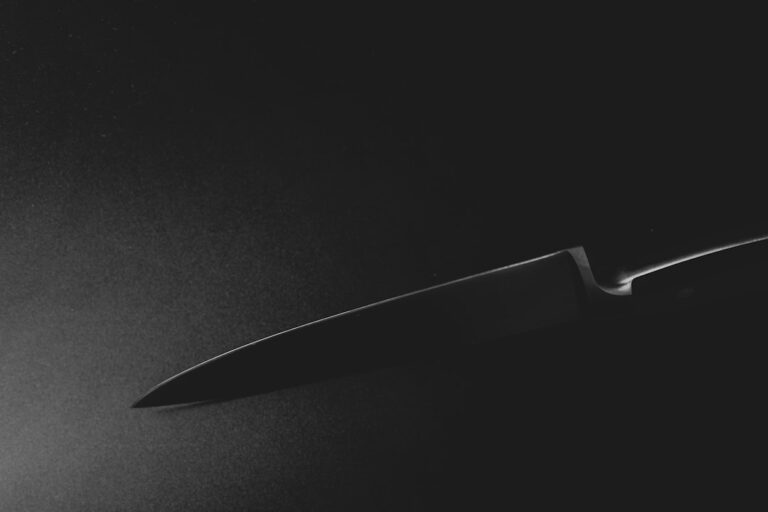
The reputation holds up: a VG-10 core at a budget-to-lower-mid price is a genuinely rare combination, and it’s why the Tojiro DP has been recommended as a first “real” Japanese knife for years across enthusiast communities. The consistent criticisms are cosmetic and ergonomic, not about the steel — a plain-looking blade, thin cladding that shows wear unevenly, and a handle some owners find slippery when wet.
Few knives get recommended this consistently for this long without the reputation eventually cracking under scrutiny — the DP’s has largely held.
Why the steel-to-price ratio is the whole story
A three-layer VG-10 core clad in softer stainless, run around 59 to 60 HRC, is the same broad category of steel used in knives costing several times as much. Owners consistently report that it takes a fine edge easily and holds it comparably to pricier VG-10 knives, which is exactly why it’s earned the “value benchmark” label — you’re paying largely for the steel and the grind, with very little going toward branding, packaging, or handle materials.
At a glance
| Spec | Detail |
|---|---|
| Steel | VG-10 core, ~59–60 HRC |
| Construction | 3-layer clad, stamped, no bolster |
| Weight | Very light, blade-forward balance |
| Handle | Composite, functional but plain — can feel slippery wet |
| Made in | Japan (Fujitora, Echizen) |
| Price tier | Budget-to-lower-mid |
The consistent criticisms
Nobody buys a DP for how it looks — the cladding is plain, and because it’s relatively thin, it tends to show wear and light scratching unevenly over time compared to knives with heavier cladding. The composite handle is functional rather than comfortable in the way a rounded PakkaWood handle is, and a fair number of owners report it feeling slippery once their hands are wet. None of these issues affect cutting performance, but they’re the honest reasons some buyers move on to a more expensive knife after starting here.
Does the lack of a bolster matter?
It shifts the balance noticeably blade-forward compared to a knife with a full bolster, which some owners adjust to quickly and others never quite prefer. It’s part of what keeps the knife so light, though, which is itself a feature many owners specifically praise for extended prep sessions.
Is it still the right first Japanese knife in 2026?
Based on consistent owner and enthusiast reporting, yes — nothing has displaced it as the default recommendation for a first genuine Japanese knife at this price. Newer competitors exist, but the specific combination of proven VG-10 performance and a genuinely low price remains the DP’s real advantage.
Frequently asked questions
Is the Tojiro DP good enough for a professional kitchen?
Many professional cooks use one, particularly as a backup or travel knife, precisely because it performs well and is inexpensive enough not to worry about losing or damaging.
What’s the biggest complaint about this knife?
Mostly cosmetic and ergonomic — a plain look, cladding that shows wear unevenly, and a handle some owners find slippery when wet. Steel performance is consistently well regarded.
Is there a better alternative at a similar price?
Few knives match its specific combination of VG-10 steel and low price. Alternatives at this price point generally use softer steel or trade off in other ways.
Steel and Strop tests and compares kitchen knives and sharpening gear. This review reflects manufacturer specifications and consistent, long-running owner and enthusiast reporting.