Are Tojiro DP Knives Actually Good? A Straight Assessment
As an Amazon Associate, I earn from qualifying purchases. Steel and Strop is reader-supported — links to Amazon below use my affiliate tag, at no extra cost to you. This assessment is compiled from manufacturer specifications and consistent, long-running owner and enthusiast reporting rather than a single in-house test.
Genuinely yes, and the enthusiast consensus behind that answer has held steady for years. A VG-10 core clad in softer stainless gives real edge-taking performance at a price that undercuts nearly everything else at that steel quality. The corners that were cut are cosmetic and ergonomic — no bolster, plain composite handle, uneven-looking cladding wear over time — not the parts of the knife that actually cut food.
Suspicion about a knife this cheap with a steel core this good is a reasonable instinct — it’s worth actually checking where the savings came from rather than just trusting the reputation.
What you’re actually getting for the price
The DP series uses a three-layer construction: a VG-10 stainless core, the same steel found in knives costing several times as much, clad in two layers of softer stainless for support. That core is what determines how the knife sharpens and holds an edge, and on that measure, Tojiro isn’t cutting any corners at all. The stamped (not forged) blade construction and the absence of a bolster are where the cost savings actually live — both affect balance and looks, not sharpness.
At a glance
| Spec | Detail |
|---|---|
| Core steel | VG-10, ~59–60 HRC |
| Construction | Stamped, 3-layer clad, no bolster |
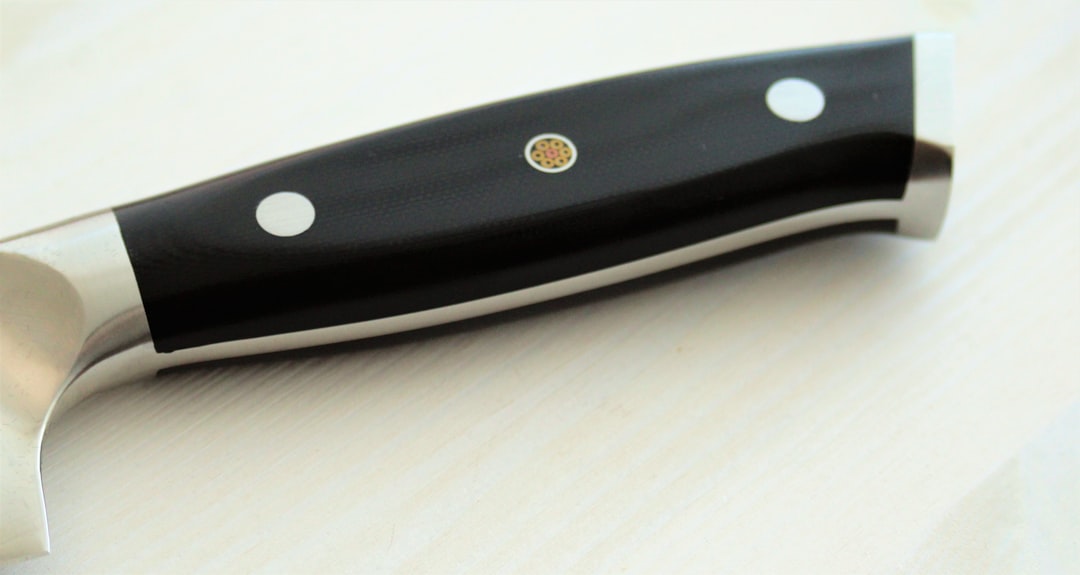
| Handle | Composite/POM with stainless bolster ring |
| Made in | Japan (Echizen/Seki region) |
| Reputation | Long-running “value benchmark” pick among enthusiasts |
Where the corners genuinely were cut
No bolster means the balance point sits more blade-forward than a Western-style knife with a heavy bolster and full tang, which some cooks need to adjust to. The plain composite handle is comfortable and durable but has none of the visual flair of pricier wood or Damascus-clad knives, and the thin cladding layers can wear unevenly over years of use in a way that looks a little rough even though it doesn’t affect performance. None of this is hidden — it’s the visible, honest trade-off that funds the steel quality.
Why enthusiasts keep recommending it specifically
The DP series shows up constantly as the answer to “what’s a good first real Japanese knife” in forums and buying guides, and that recommendation has stayed remarkably consistent for years rather than fading as newer options arrived. That kind of durable, repeated consensus — not a single glowing review, but the same answer given independently over a long stretch of time — is a stronger signal than any one write-up, including this one.
Who shouldn’t buy it
If balance and looks matter as much to you as cutting performance, or you specifically want a forged blade with a traditional bolster, the DP series will disappoint regardless of how well it cuts — it was never built to compete on those terms. Someone buying primarily for how a knife feels in hand and looks on a block should look toward a knife like the Shun Classic instead, at a meaningfully higher price.
Frequently asked questions
Is Tojiro DP a real Japanese knife or a budget import?
It’s genuinely made in Japan with a real VG-10 core — the low price comes from construction choices, not from cutting steel quality.
Why doesn’t Tojiro DP have a bolster?
Skipping the bolster and using a stamped rather than forged blade keeps manufacturing costs down while preserving the steel quality that determines sharpness.
Is Tojiro DP a good first Japanese knife?
Yes — it’s one of the most consistently recommended starting points for someone moving up from a Western knife, according to long-running enthusiast consensus.
Steel and Strop tests and compares kitchen knives and sharpening gear. This assessment reflects manufacturer specifications and consistent, long-running owner and enthusiast reporting.