Atoma 140 vs DMT Extra Coarse: Which Diamond Plate Flattens Better?
As an Amazon Associate, I earn from qualifying purchases. Steel and Strop is reader-supported — links to Amazon below use my affiliate tag, at no extra cost to you.
The Atoma 140 is widely regarded among experienced sharpeners as the better dedicated flattening plate — its perforated design lets loose grit and stone slurry escape instead of clogging the diamonds, which keeps it cutting fast for longer. DMT’s extra-coarse plate is a solid, more widely available and often cheaper alternative that also doubles as a coarse sharpening surface in its own right, not just a flattening tool. If flattening speed and longevity matter most, buy the Atoma. If you want one plate that also works directly on very dull edges, the DMT earns its keep too.
Both tools solve the same problem — restoring a flat surface to a whetstone that’s worn into an uneven dish — but they’re built differently enough that the choice isn’t purely about price.
Why the surface pattern actually matters
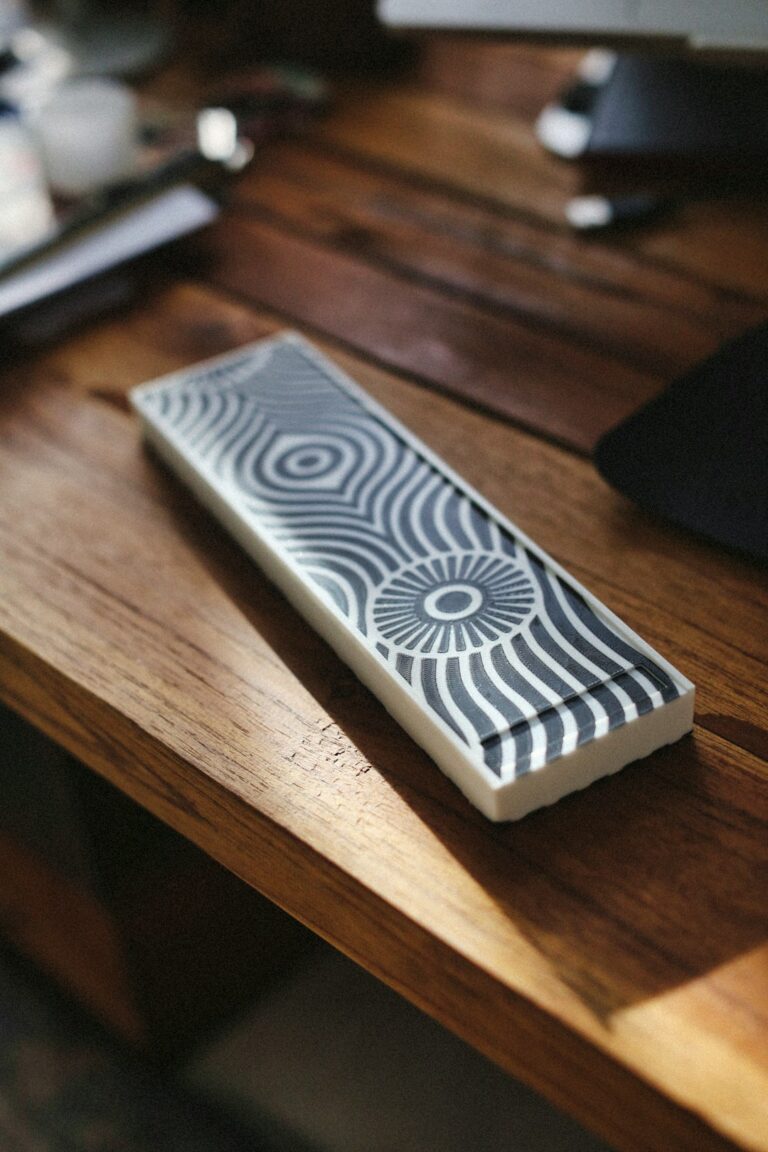
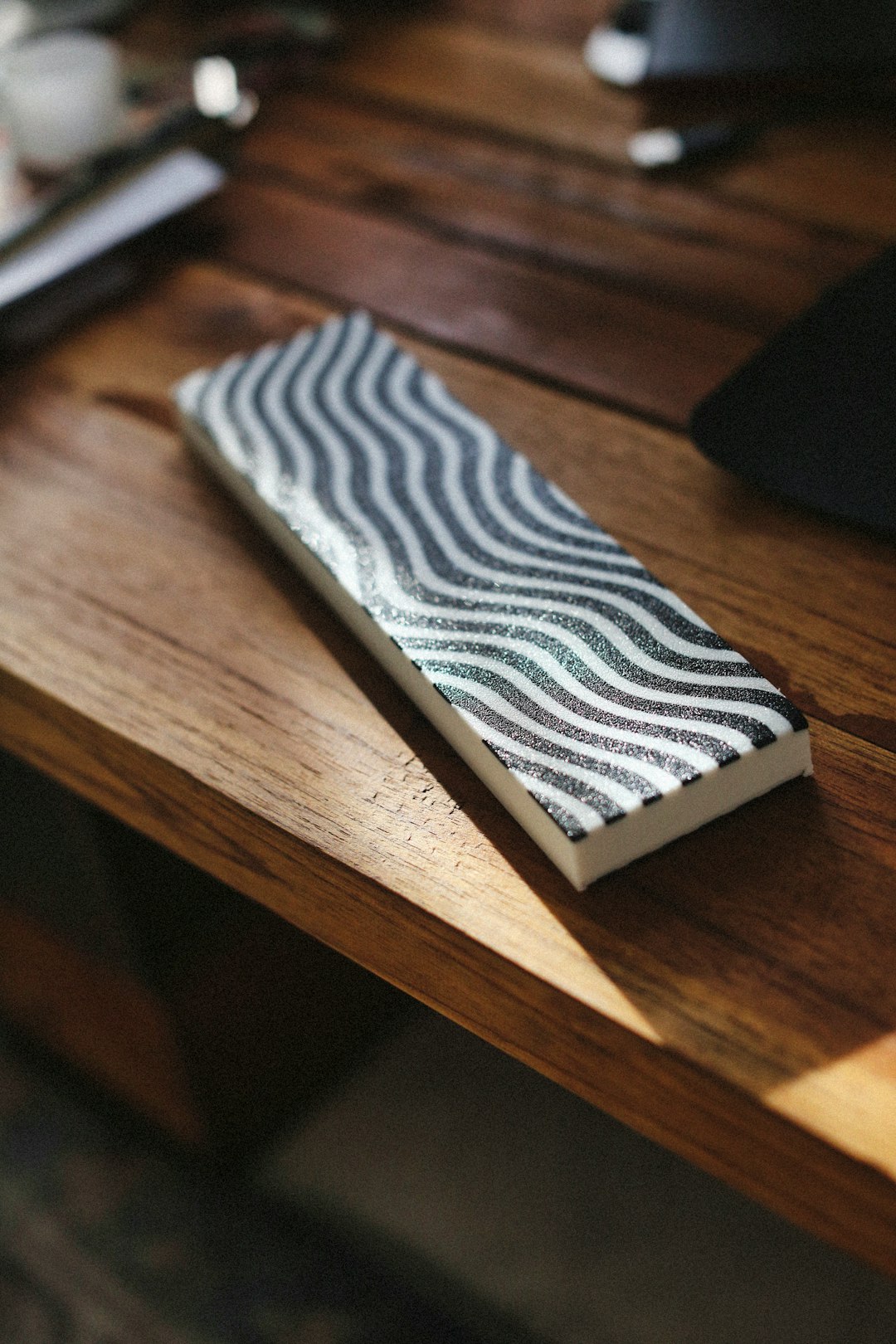
The Atoma uses individually electroplated diamond particles set into a perforated plate, with small holes throughout the surface that let swarf — the loose grit and stone slurry generated while flattening — escape rather than build up between the diamonds. That design is a big part of why it’s held in such high regard: it keeps cutting aggressively for longer instead of gradually clogging and slowing down.
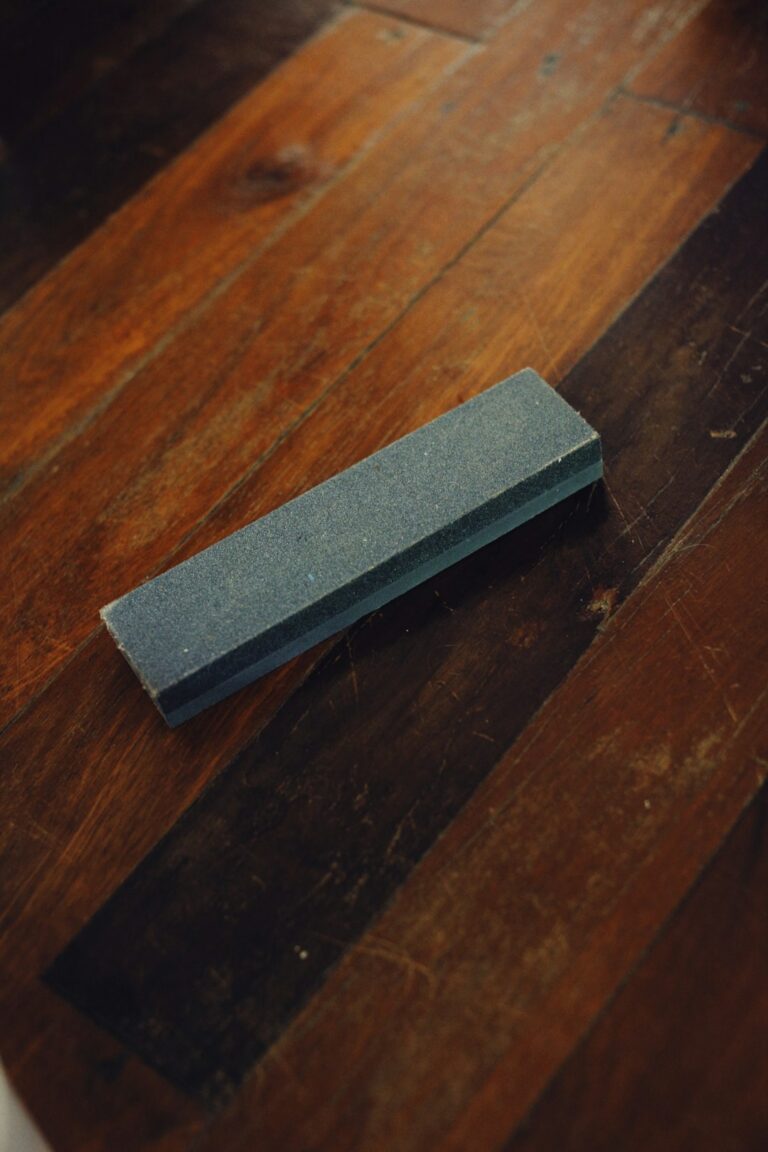
DMT’s extra-coarse (typically around 120 grit) plate uses a continuous diamond surface without the same escape holes, which means it can load up with debris a bit faster during heavy flattening sessions, particularly on very soft, muddy stones like a traditional King. It’s still an effective, well-regarded plate — DMT is one of the most established names in diamond abrasives — it just asks for more frequent rinsing during use to stay at its best.
At a glance
| Spec | Atoma 140 | DMT Extra Coarse (120) |
|---|---|---|
| Surface design | Perforated — resists clogging | Continuous — can load up faster |
| Cutting speed over time | Stays aggressive longer | Slows if not rinsed regularly |
| Also usable as a sharpening surface | Yes, less commonly used this way | Yes — widely used directly on very dull edges too |
| Availability | Good, more of a specialist item | Very widely available |
| Price tier | Mid-to-premium | Often more affordable |
Does clogging actually matter for occasional use?
If you’re flattening a stone every month or two, either plate will do the job without much frustration — rinse the DMT under the tap partway through a session and it recovers most of its bite. The clogging difference becomes more noticeable if you’re flattening frequently, working with particularly soft or muddy stones like a traditional King, or trying to move through the job quickly without stopping to rinse.
The dual-purpose case for DMT
Because it isn’t perforated, a DMT extra-coarse plate behaves more like a very aggressive, flat sharpening stone in its own right, which is why some sharpeners keep one specifically for rescuing extremely dull or damaged knives before moving to a proper whetstone progression. The Atoma can technically do this too, but it’s more commonly bought and used purely as a dedicated flattening tool.
Who should buy which
Buy the Atoma 140 if you want the plate with the best reputation for staying fast and clog-free over years of flattening sessions. Buy the DMT extra-coarse plate if you’d rather have one tool that handles both flattening duty and the occasional emergency rescue of a very dull blade, or if it’s simply easier to find where you’re shopping.
Frequently asked questions
Is Atoma 140 better than DMT for flattening stones?
Most experienced sharpeners consider it the better dedicated flattening plate thanks to its perforated, clog-resistant design, though DMT remains a well-regarded and more widely available alternative.
Can I use these plates directly on a knife?
Yes, both can — DMT’s continuous surface is more commonly used this way for rescuing very dull edges, though the Atoma can do it too.
How often do these plates need cleaning during use?
The Atoma’s perforations mean it needs less frequent rinsing. The DMT benefits from a rinse partway through a heavy flattening session to clear built-up debris.
Steel and Strop tests and compares kitchen knives and sharpening gear. Design characteristics and comparative performance reflect established sharpener-community consensus on both diamond plate lines.