King 1000/6000 vs Suehiro Cerax 1000: Which Soaking Stone to Buy
As an Amazon Associate, I earn from qualifying purchases. Steel and Strop is reader-supported — links to Amazon below use my affiliate tag, at no extra cost to you.
King 1000/6000 is cheaper and gives you two grits in one stone, which is why it’s the classic first recommendation. Suehiro Cerax 1000 costs more and covers only one grit, but it wears far more evenly, needs a shorter soak, and produces a more controlled, predictable feel while you sharpen. If price and simplicity matter most, buy the King. If you’ll be sharpening often enough that flattening a soft stone every few sessions gets old, the Cerax is worth the extra money.
Both are soaking stones, so neither gives you the splash-and-go convenience of a Shapton — the real choice here is between two different flavors of traditional stone.
Same category, different personality
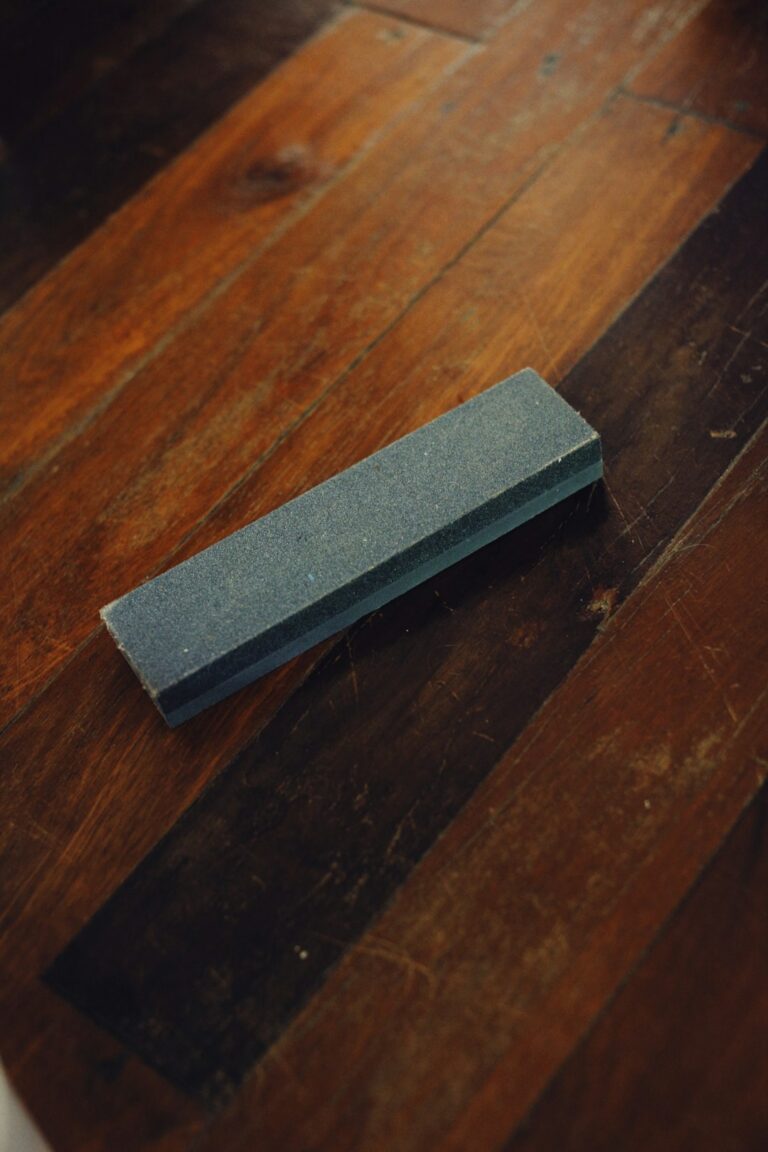
The King KW65 combination stone is soft, fast-cutting, and cheap, which is exactly why it’s been the default beginner recommendation for years. It needs a genuine soak — 10 to 15 minutes — before it’s ready to use, and it dishes (wears into an uneven curve) quickly enough that regular flattening becomes part of the routine if you use it often. It also produces a lot of loose grey “mud” as you sharpen, which helps polish the edge but adds cleanup.
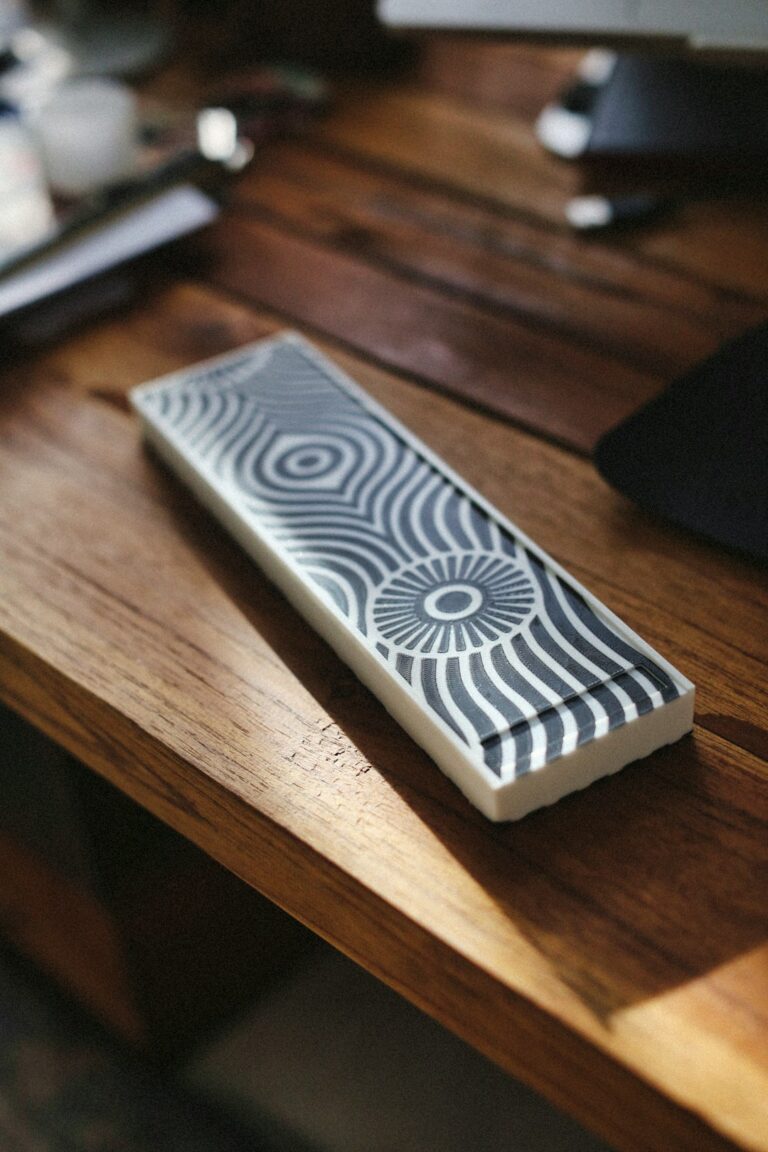
Suehiro’s Cerax 1000 sits a step up: it’s harder-wearing than the King, needs a shorter soak (closer to five minutes), and releases mud at a more controlled rate, which gives clearer feedback about what’s actually happening to the edge as you work. It’s a single-grit stone, though, so unlike the King you’re not getting a finishing grit bundled in.
At a glance
| Spec | King 1000/6000 | Suehiro Cerax 1000 |
|---|---|---|
| Grits included | 1000 and 6000, one stone | 1000 only |
| Soak time | 10–15 minutes | ~5 minutes |
| Wear rate | Dishes quickly, flatten often | Wears more evenly |
| Feedback while sharpening | Good, heavy mud | Controlled, more predictable |
| Price tier | Budget (for two grits) | Mid |
| Best for | First-time buyers, tightest budget | Frequent sharpeners wanting less maintenance |
Where the King’s low price actually costs you time
The King’s fast dishing isn’t a defect — it’s a direct trade-off for being soft and cheap. Soft stones cut fast and feel forgiving, but that same softness means the surface bows out of flat faster under repeated use. If you’re sharpening a knife or two a month, you’ll flatten it occasionally and it’s a non-issue. If you’re sharpening every week, or sharpening for other people, that maintenance step becomes a recurring interruption that a harder stone like the Cerax mostly avoids.
Is a single-grit Cerax actually a downgrade from the King’s two grits?
Only if you don’t already own, or aren’t planning to buy, a finishing stone. Many people who move from a King to a Cerax do so specifically because they’ve already built out a small collection of stones and want a better-behaved 1000 grit as the workhorse in that progression, not because they’re replacing their only stone with it.
Who should buy which
Buy the King 1000/6000 if this is your first stone, your budget is tight, and you’d rather have two working grits than one better-behaved one. Buy the Suehiro Cerax 1000 if you already have a finishing stone, sharpen often enough that flattening a soft stone is a genuine annoyance, or you simply want a more predictable, controlled feel while you work.
Frequently asked questions
Is Suehiro Cerax better than King 1000/6000?
It wears more evenly and needs a shorter soak, but it only covers one grit. For a first stone on a budget, King’s combination format is still the more practical starting point.
How often does a King stone need flattening?
With regular use, expect to flatten it every few sharpening sessions. It dishes noticeably faster than harder stones like the Cerax or Shapton.
Do I need to soak both of these stones?
Yes — neither is splash-and-go. King needs roughly 10 to 15 minutes, Suehiro Cerax needs closer to 5.
Steel and Strop tests and compares kitchen knives and sharpening gear. Wear rates and soak times reflect widely reported owner experience with both stone lines.