Shapton Kuromaku 1000 vs King 1000/6000: Which Should Be Your First Stone?
As an Amazon Associate, I earn from qualifying purchases. Steel and Strop is reader-supported — links to Amazon below use my affiliate tag, at no extra cost to you.
The King 1000/6000 is the more sensible first purchase for most people, purely because it gives you two grits — a repair stone and a finishing stone — in a single, cheap product. The Shapton Kuromaku 1000 is a better stone by most measures, but it’s one grit only, so you’d need to buy a second stone before you can actually finish an edge. Buy King first if budget and simplicity matter most. Buy the Shapton if you already know you’ll be sharpening often enough that soaking and flattening a soft stone will start to annoy you.
People searching this comparison are usually buying their first whetstone, and the honest answer depends less on which stone is “better” and more on what a first stone actually needs to do.
Convenience vs. what you get for your money
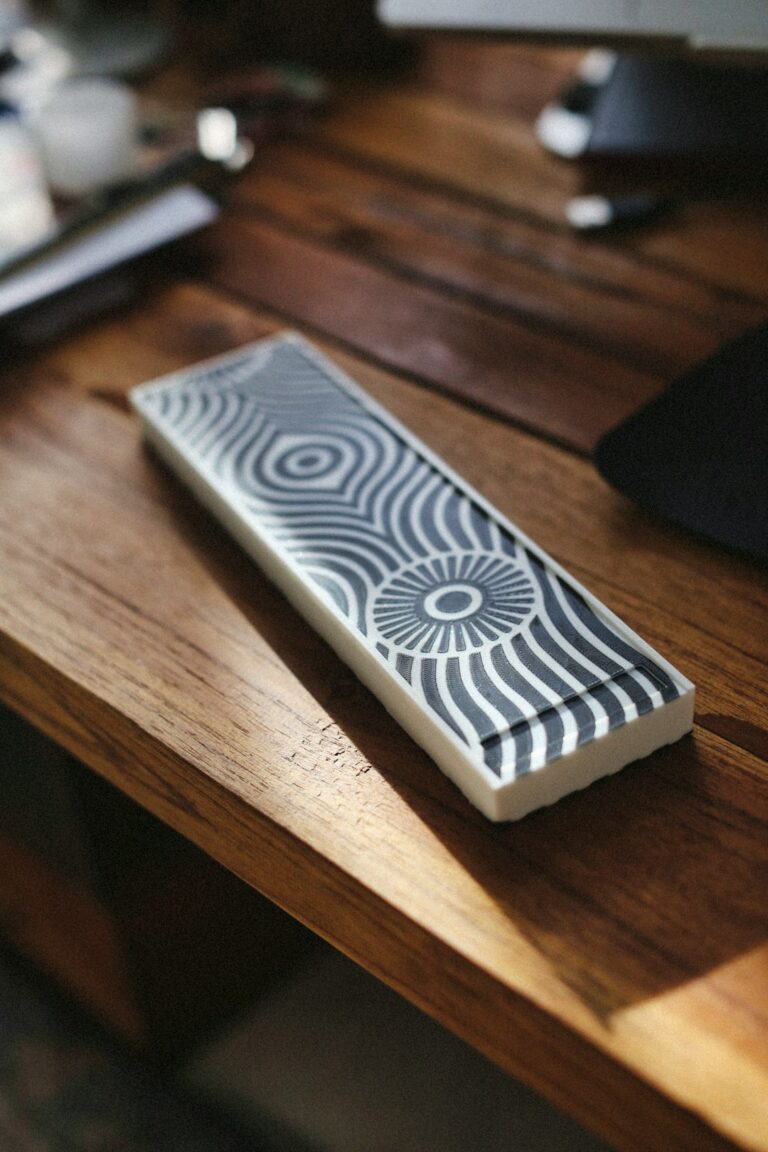
The Shapton Kuromaku is a ceramic-bonded stone built for what’s called splash-and-go use — wet the surface, no soaking. It cuts fast, resists dishing (wearing into an uneven curve) far better than a traditional stone, and stays flatter for longer between flattening sessions. That convenience is real, and it’s why so many working cooks own one. The catch for a first-time buyer is that it’s sold as a single grit — 1000 in this case — so buying just the Kuromaku 1000 gets you a stone that can repair a damaged or very dull edge, but not one that can put a fine, polished finish on it.
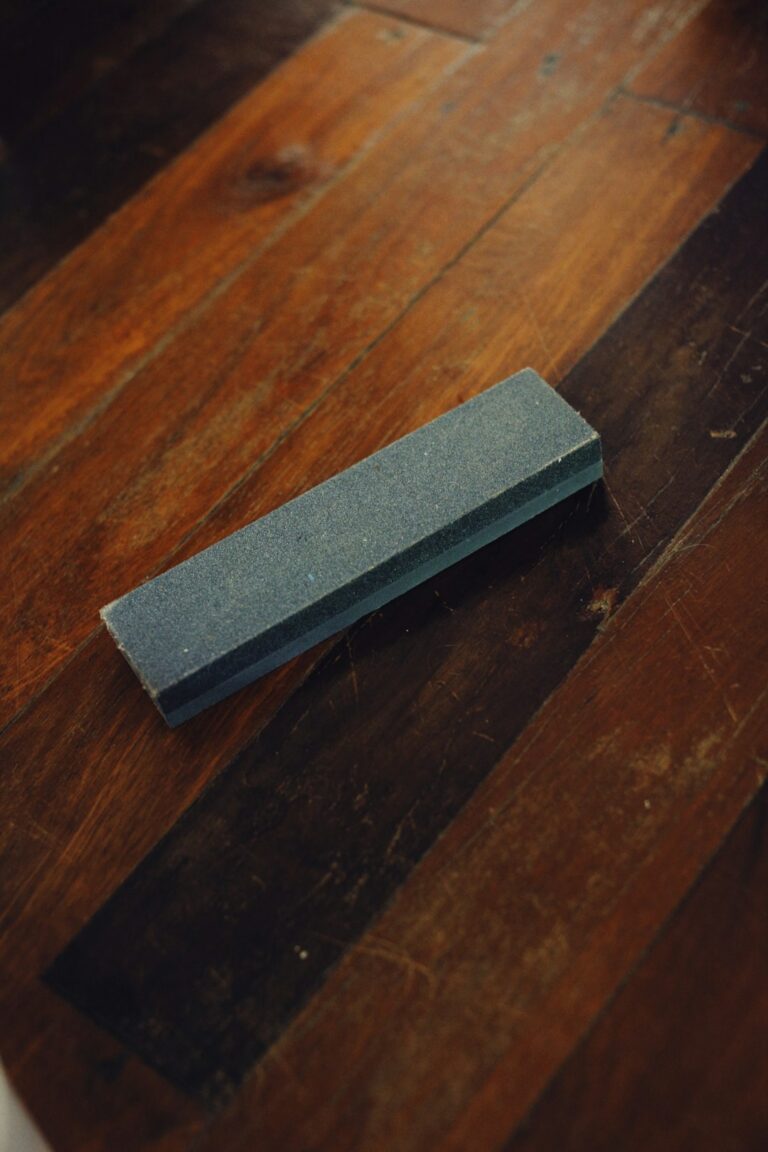
The King 1000/6000 solves that by putting two grits on one stone: 1000 for repair and setting a new edge, 6000 for refining it to a genuinely sharp, kitchen-ready finish. The trade is that King’s stone is a traditional aluminum-oxide type that needs 10–15 minutes of soaking before use, dishes noticeably faster than a Shapton, and needs flattening more often to stay accurate. It’s also considerably messier — it produces a lot of grey “mud” as you work, which some people find genuinely useful (it helps polish the edge) and others find like a chore to clean up.
At a glance
| Spec | Shapton Kuromaku 1000 | King 1000/6000 |
|---|---|---|
| Grits included | 1000 only | 1000 and 6000, one stone |
| Prep before use | Splash water — no soak | Soak 10–15 minutes |
| Wear resistance | Holds flat much longer | Dishes quickly, flatten often |
| Cutting speed | Fast | Fast, especially the 1000 side |
| Mess / mud | Minimal | Heavy — part of how it polishes |
| Price tier | Mid (per grit) | Budget (for two grits) |
| Best for | Frequent sharpeners who want speed | First-time buyers on a budget |
What “needs flattening” actually means for a beginner
Every stone wears unevenly with use — you sharpen in the same few spots more than others, and the surface bows slightly. A stone that dishes needs to be flattened on a flattening plate or another abrasive surface periodically, or your edge angle will drift without you noticing. The King, being softer, dishes faster and needs this more often — realistically every few sharpening sessions if you’re using it a lot. The Shapton, being harder, can go much longer between flattenings.
For a first stone, this matters less than it sounds like it should. You’re going to be learning basic technique regardless — hand position, consistent angle, feeling for the burr — and a flattening plate is a one-time, fairly cheap purchase either way. The real question is whether you’d rather deal with soaking and slightly more frequent flattening in exchange for a much lower total price and two working grits, or pay more per grit for a stone that’s simply less fuss to maintain.
Do you actually need both grits right away?
This is where the King’s combination format earns its reputation as the standard beginner recommendation. A 1000 grit alone can set an edge, but it leaves a rougher, less refined finish than most people want on a kitchen knife. Without a second, finer stone, you’re stuck at “sharp enough” rather than “properly sharp.” Buying the Shapton Kuromaku 1000 alone means budgeting for a second stone later — realistically a 4000 or higher — which is a real cost difference worth factoring in before you compare sticker prices.
Who should buy which
If this is your very first whetstone and you’re not yet sure how often you’ll actually use it, the King 1000/6000 is the pragmatic choice — one purchase, two grits, low cost of entry. If you already sharpen knives for other people, cook professionally, or you know from a Sharpmaker or guided system that you enjoy the process enough to do it often, the Shapton Kuromaku’s speed and low maintenance will pay for itself in saved time — just budget for a second stone to actually finish the edge.
Frequently asked questions
Do I need to soak a Shapton Kuromaku stone?
No — that’s the point of it. A quick splash of water on the surface is enough. That’s different from King’s stones, which need a genuine soak, usually 10 to 15 minutes, before they cut properly.
Is King 1000/6000 good enough for Japanese knives?
Yes, for home use. It’s a soft, fast-cutting stone that’s been the standard recommended starter stone for Japanese knives for years — the trade-off is more frequent flattening, not a lack of capability.
Can I buy just the Shapton Kuromaku 1000 and stop there?
You can, but you’ll be limited to a repair-level edge rather than a fully finished one. Most people pair it with a finer stone eventually — factor that second purchase in when comparing total cost.
Steel and Strop tests and compares kitchen knives and sharpening gear. Wear rates and soaking times above reflect widely reported owner experience with both stone lines rather than a single controlled test.