MAC MTH-80 Review: Why Chefs Keep Buying This One
As an Amazon Associate, I earn from qualifying purchases. Steel and Strop is reader-supported — links to Amazon below use my affiliate tag, at no extra cost to you. This review compiles manufacturer specifications and long-running owner and professional reporting rather than a single in-house test.
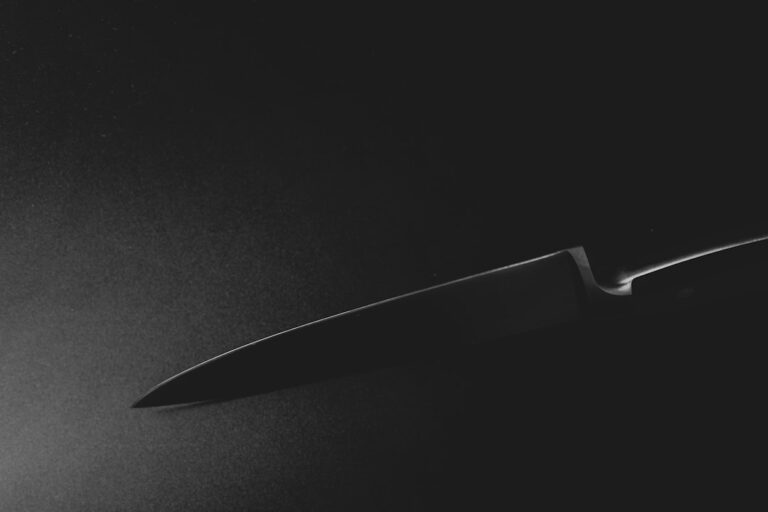
The recurring theme across owner and professional reporting is edge retention: this knife is repeatedly described as staying genuinely sharp for six to eight weeks of regular cooking, longer than most knives in its steel class. The consistent caveats are a short handle that can feel cramped for larger hands, and an edge that chips readily on bone, frozen food, or hard squash — it’s built for precision, not abuse.
MAC doesn’t market as loudly as some competitors, which makes its long-running popularity among working cooks a genuinely organic signal rather than a marketing-driven one.
The edge retention reputation, examined
MAC’s high-carbon molybdenum-vanadium steel, described by the maker as sub-zero tempered, is consistently singled out in reviews for holding a working edge unusually long between sharpenings. Across owner reports, six to eight weeks of regular home cooking before a real touch-up is needed comes up again and again — genuinely longer than the four to six weeks more typical of comparable stainless knives. That specific, repeatedly reported claim is the core of why this knife has stayed popular for so long without heavy marketing behind it.
At a glance
| Spec | Detail |
|---|---|
| Steel | Molybdenum-vanadium, ~59–61 HRC |
| Reported edge life | 6–8 weeks, home use |
| Special feature | Granton (dimpled) edge — reduces sticking |
| Weight | Very light for its length |
| Handle length | Shorter — can feel cramped for larger hands |
| Warranty | 25-year |
The complaints that come up consistently
The handle length is the most frequently mentioned drawback — several reviewers with larger hands describe it as feeling short during long prep sessions, though most adjust without lasting issue. The thin, precision edge is also consistently reported to chip if used on bone, frozen food, or hard squash, which isn’t a flaw so much as a mismatch between the knife’s design intent and that kind of use — it’s built for controlled, precise cutting, not general kitchen abuse.
Why chefs specifically keep buying it
Working cooks doing hours of daily prep are exactly the people who benefit most from genuinely longer stretches between sharpenings — every extra week without a touch-up is real time saved at scale. The Granton dimples solve a second recurring annoyance in high-volume prep: thin slices sticking to the blade. Combined, these two practical benefits explain why this knife shows up so often in professional kitchen recommendations despite MAC’s relatively quiet marketing presence compared to bigger consumer brands.
Is it worth it for a home cook?
If you cook often enough that sharpening frequency genuinely bothers you, the reported edge retention advantage is real and meaningful. If you cook a few times a week and don’t mind an occasional whetstone session, a cheaper knife in a similar steel class — like the Tojiro DP — will deliver much of the same performance for less money.
Frequently asked questions
Does the MAC MTH-80 really hold an edge for weeks?
Based on consistent owner reporting, yes — six to eight weeks of regular home cooking is a commonly repeated figure, longer than typical for its steel class.
Is the handle too small for big hands?
Some owners with larger hands report it feeling short during extended use, though most find it manageable after an adjustment period.
Can this knife handle bones or frozen food?
No — it’s a thin, precision-ground blade, and owners consistently report chipping when it’s used for that kind of heavier task.
Steel and Strop tests and compares kitchen knives and sharpening gear. This review reflects manufacturer specifications and consistent, long-running owner and professional reporting.