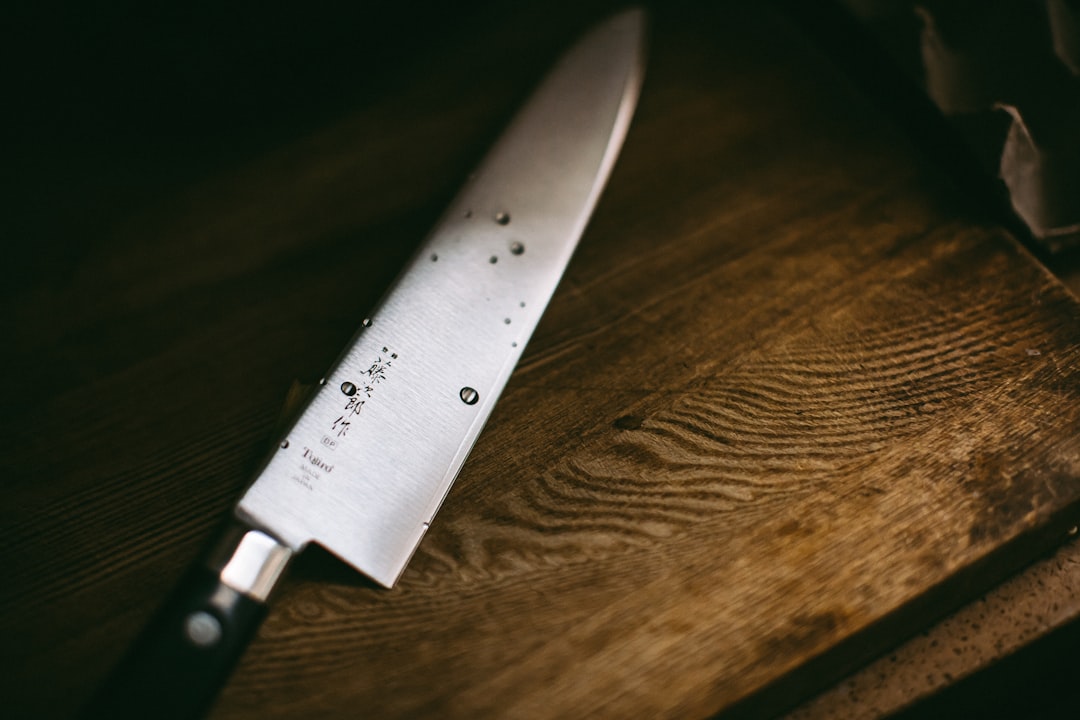
Where Are Tojiro Knives Made, and Does It Matter?
As an Amazon Associate, I earn from qualifying purchases. Steel and Strop is reader-supported — links to Amazon below use my affiliate tag, at no extra cost to you.
Yes — Tojiro is manufactured by Fujitora in Japan’s Echizen/Seki cutlery region, one of the country’s most established knife-making areas. But “made in Japan” isn’t a single quality tier on its own; Japan produces everything from handmade forged blades costing thousands to mass-produced stamped blades at every price point. What matters is what specifically was made there, which for Tojiro’s DP line is a genuine VG-10 core, factory-produced rather than hand-forged.
“Made in Japan” carries real weight in the knife world, but it’s worth being precise about what that label is and isn’t telling you.
What “made in Japan” actually covers here
Tojiro is produced by Fujitora, based in the Echizen/Seki region — an area with a genuinely long, documented history of blade and blacksmithing craft. The DP series is factory-manufactured: stamped from steel stock rather than hand-forged by an individual smith, then finished and assembled at scale. That’s a completely legitimate and common production method in Japan, used across a huge range of price points — it’s not a shortcut around Japanese manufacturing, it’s simply a different manufacturing method than hand-forging.
At a glance
| Question | Answer |
|---|---|
| Made in Japan? | Yes — Fujitora, Echizen/Seki region |
| Hand-forged or factory-made? | Factory-produced, stamped blade |
| Does that make it lower quality? | No — factory production is standard at this price tier worldwide |
| Core steel | Genuine VG-10, same family used in pricier knives |
Why “made in Japan” isn’t the whole story
Origin tells you about manufacturing tradition and quality control standards, not necessarily about construction method, steel grade, or hand craftsmanship — all of which vary enormously within Japan itself. A knife hand-forged by a single smith in a small workshop and a knife stamped on a factory line can both legitimately say “made in Japan,” and the price difference between them can be enormous. Tojiro’s honesty here is actually a point in its favor: it doesn’t dress itself up as artisanal, it’s a well-made factory product using a genuinely good steel core.
Does the origin actually matter for how it performs?
Less than people assume. What determines how a knife cuts and holds an edge is the steel itself, the heat treatment, and the blade geometry — all of which Tojiro gets right regardless of whether the blade was forged by hand or stamped by machine. The “made in Japan” label matters more as a signal of an established manufacturing region with real cutlery expertise than as a direct guarantee of hand-craftsmanship.
The honest takeaway
Tojiro’s Japanese origin is real and it’s a legitimate part of why the DP series performs as well as it does for the price — Fujitora has genuine cutlery-making expertise, and it shows in the steel choice and execution. Just don’t let the label alone imply hand-forged artisanal work; that’s not what you’re buying, and Tojiro doesn’t claim otherwise.
Frequently asked questions
Is Tojiro DP hand-forged?
No — it’s factory-stamped, not hand-forged. That’s a standard, legitimate production method and doesn’t indicate lower quality steel or heat treatment.
Does “made in Japan” guarantee a better knife?
Not on its own. Japan produces knives across every quality and price tier — the label indicates origin and manufacturing tradition, not automatically premium construction.
Where specifically is Tojiro manufactured?
By Fujitora, in Japan’s Echizen/Seki cutlery region, an area with a long-established history of blade production.
Steel and Strop tests and compares kitchen knives and sharpening gear. This assessment reflects manufacturer specifications and consistent, long-running owner and enthusiast reporting.