White Steel #2 vs Blue Steel #2: Which Carbon Steel for a Home Cook?
As an Amazon Associate, I earn from qualifying purchases. Steel and Strop is reader-supported — links to Amazon below use my affiliate tag, at no extra cost to you.
White Steel #2 (Shirogami) is the purer of the two — no chromium or tungsten added — and it’s prized for taking an exceptionally sharp, easy-to-sharpen edge, which is why sushi chefs favor it. Blue Steel #2 (Aogami) adds tungsten and chromium for meaningfully better edge retention and slightly more corrosion resistance, at the cost of being a bit more brittle and asking more skill to sharpen well. Neither is stainless — both need real care. Choose white steel if you sharpen often and prioritize ease and sharpness; choose blue steel if you want to sharpen less often and don’t mind a slightly fussier steel at the stones.
Both are genuine traditional Japanese carbon steels, not marketing names — the “white” and “blue” refer to the paper wrapping the steel bars historically used to distinguish the grades at the foundry.
What the added elements actually change
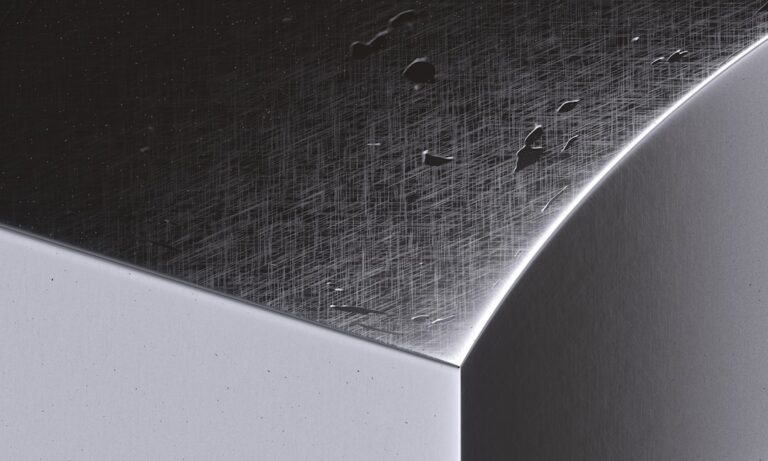
White Steel #2 runs roughly 0.8 to 1.35% carbon with essentially nothing else added — no chromium, no tungsten. That purity is exactly why it’s so well regarded for sharpness: fewer alloying elements mean a finer, more uniform grain structure that takes an extremely keen edge with relatively little effort at the stones. It typically lands around 60 to 64 HRC depending on how it’s heat-treated.
Blue Steel #2 starts from a similar carbon base but adds tungsten and chromium, which improve wear resistance and toughness — the practical result is a steel that holds its edge meaningfully longer than white steel before it needs a touch-up. That comes at a real cost: blue steel is generally considered more brittle and takes more skill and patience to sharpen well, since it doesn’t respond to the stones quite as forgivingly as its purer sibling.
At a glance
| Spec | White Steel #2 (Shirogami) | Blue Steel #2 (Aogami) |
|---|---|---|
| Composition | ~0.8–1.35% carbon, no added Cr/W | Similar carbon + tungsten and chromium |
| Typical hardness | 60–64 HRC | 62–67 HRC |
| Ease of sharpening | Easier, more forgiving | Needs more skill and patience |
| Edge sharpness | Exceptionally keen, favored by sushi chefs | Very good, slightly behind white steel |
| Edge retention | Good | Noticeably longer |
| Corrosion resistance | Poor — reacts fast | Still poor, but slightly better than white |
Neither steel forgives a wet blade
This is the part that surprises people new to carbon steel: “slightly more corrosion resistant” for blue steel doesn’t mean corrosion resistant in any meaningful sense. Both steels will patina, and both will rust if left wet, especially against anything acidic. If you’re coming from a stainless knife and expecting blue steel to behave like a low-maintenance upgrade because of its added chromium, it won’t — the maintenance routine for both is essentially identical: wash, dry immediately, every time.
Why sushi chefs specifically favor white steel
Sushi and sashimi work rewards an exceptionally fine, keen edge above almost anything else — the cut quality on raw fish is genuinely affected by how sharp and clean the edge is, more so than in most other kitchen tasks. White steel’s purity gives it an edge on this specific quality, which is why it remains the traditional choice in that specialty even though blue steel would let a chef sharpen less often.
Who should buy which
Buy White Steel #2 if you enjoy sharpening, want the most forgiving carbon steel to learn on, and prioritize sharpness over how long it lasts between sessions. Buy Blue Steel #2 if you want meaningfully longer edge retention and don’t mind a steel that asks a bit more care and skill at the stones.
Frequently asked questions
Is Blue Steel #2 better than White Steel #2?
It holds an edge longer, but White Steel #2 is easier to sharpen and takes a sharper edge with less effort. Which is “better” depends on whether you value sharpening ease or edge longevity more.
Does Blue Steel rust less than White Steel?
Marginally, thanks to its added chromium, but not enough to change how you should care for it. Both require immediate drying after every use.
Which carbon steel is easier for a beginner?
White Steel #2 — it’s more forgiving at the stones and takes a fine edge with less effort, making it a gentler introduction to carbon steel maintenance and sharpening.
Steel and Strop tests and compares kitchen knives and sharpening gear. Composition and hardness figures reflect established data on Shirogami (White Steel) and Aogami (Blue Steel) alloys.