Is Shun or Tojiro Better? It Depends on One Thing
As an Amazon Associate, I earn from qualifying purchases. Steel and Strop is reader-supported — links to Amazon below use my affiliate tag, at no extra cost to you. This comparison is compiled from manufacturer specifications and consistent, long-running owner and enthusiast reporting rather than a single in-house test.
Cutting performance is close enough that it isn’t the real deciding factor — both use a VG-10-family steel around 59–60 HRC, sharpen well, and hold an edge respectably. What actually separates them is whether you’re paying for presentation and handle comfort (Shun) or for pure value and getting the most steel-for-money (Tojiro). Pick based on that, not on a steel-performance edge that barely exists.
These two get compared constantly because they occupy very different price points while landing surprisingly close on the thing that matters most: how the knife actually cuts.
What the steel comparison actually shows
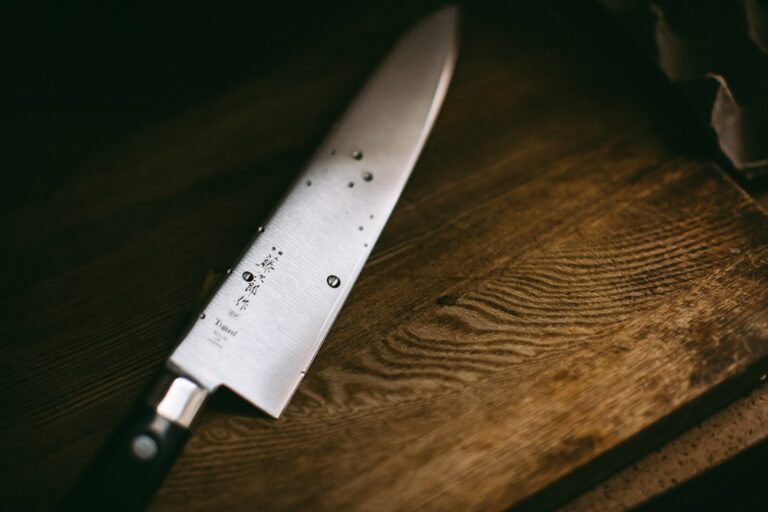
Tojiro’s DP line runs a VG-10 core at roughly 59–60 HRC. Shun Classic uses VG-MAX, Shun’s own VG-10 derivative, with a manufacturer-claimed 60.5 HRC — though independent lab testing has measured meaningfully softer results on at least one sample, a discrepancy worth naming rather than repeating the marketing figure uncritically. In practical terms, both knives take a fine edge easily and perform in the same general tier; neither has a decisive sharpness advantage that would justify the price gap on steel alone.
At a glance
| Spec | Tojiro DP | Shun Classic |
|---|---|---|
| Core steel | VG-10, ~59–60 HRC | VG-MAX, claimed 60.5 HRC |
| Cladding | Functional, plain | Damascus pattern, decorative |
| Handle | Composite, functional | PakkaWood, widely praised for comfort |
| Bolster | None | Full bolster, balanced feel |
| Price tier | Budget-to-lower-mid | Premium |
What you’re actually paying extra for with Shun
The Damascus cladding on a Shun Classic is cosmetic — the layers don’t reach the edge and don’t affect how it cuts — but it’s genuinely beautiful, and the PakkaWood handle is consistently rated among the most comfortable in this knife class. Shun also includes a proper bolster, which shifts balance back toward the handle and gives the knife a more traditional, substantial feel in hand than Tojiro’s blade-forward balance.
What you’re actually paying less for with Tojiro
Tojiro skips the bolster, uses a plain composite handle, and doesn’t dress up the cladding — none of which touches the part of the knife doing the cutting. For someone who wants the steel performance without paying for presentation, that’s a genuinely rational trade, not a downgrade in the way it matters most.
The honest way to decide
If you’ll actually notice and enjoy handling a beautiful knife every time you cook, Shun’s premium is buying something real. If you mainly care that the knife is sharp and stays that way, and you’d rather put the price difference toward a second knife or a decent whetstone, Tojiro gets you there for meaningfully less money.
Frequently asked questions
Does Shun actually cut better than Tojiro?
Not by a meaningful margin — both use similar-tier VG-10 family steel. The price difference is mostly about handle comfort, bolster, and cosmetic cladding.
Is Tojiro DP a downgrade from Shun?
Not in cutting performance. It’s a different set of trade-offs — less presentation and comfort for a significantly lower price.
Which is better for a beginner?
Tojiro DP is frequently recommended as a first real Japanese knife specifically because it delivers strong steel performance without a premium price tag.
Steel and Strop tests and compares kitchen knives and sharpening gear. This comparison reflects manufacturer specifications and consistent, long-running owner and enthusiast reporting on both knives.