Can You Sharpen a Knife With Only One Stone? Yes, With Caveats
As an Amazon Associate, I earn from qualifying purchases. Steel and Strop is reader-supported — links to Amazon below use my affiliate tag, at no extra cost to you.
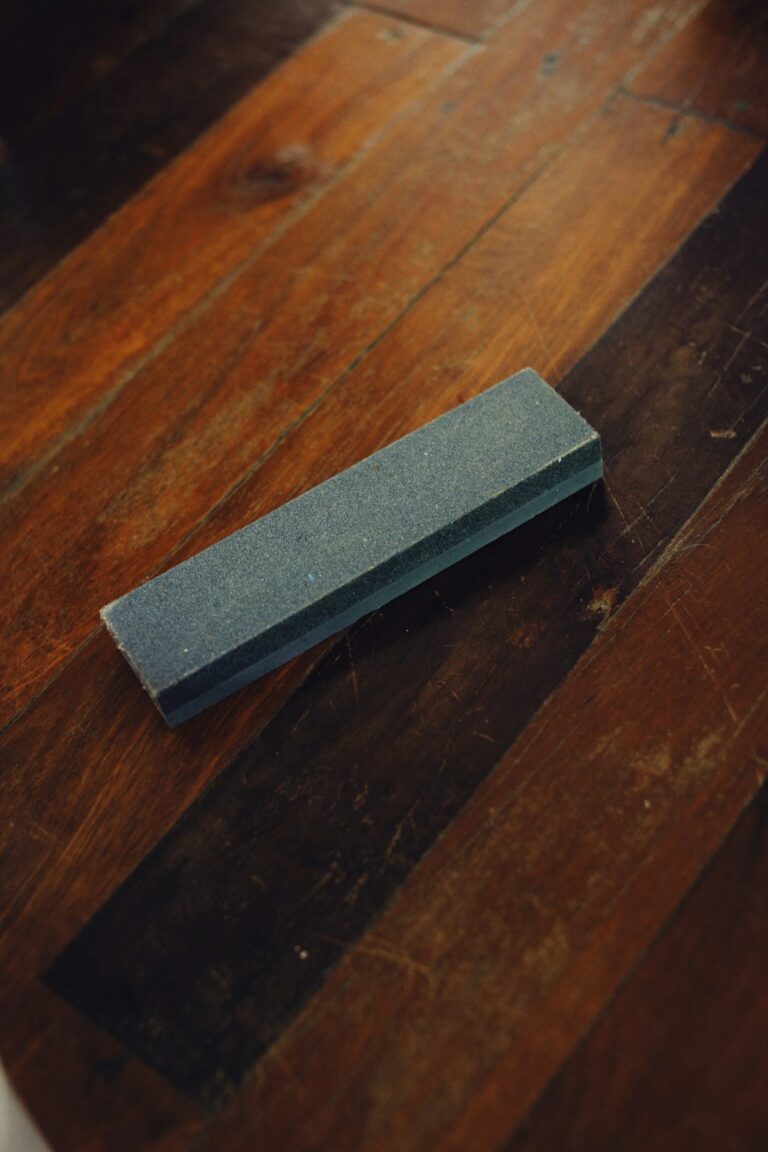
Yes. A single stone in the 3000–4000 grit range is a genuinely reasonable one-stone compromise — coarse enough to handle routine touch-ups, fine enough to leave a usable, pleasant edge. What you give up is the extremes: it won’t repair serious damage as fast as a dedicated coarse stone, and it won’t polish as finely as a dedicated finishing stone. For most home cooks doing routine maintenance rather than repair or showcase polishing, that trade-off is a fair one.
The idea that you need a full multi-stone progression to sharpen properly is common advice, but it’s aimed at people building out a serious setup, not at someone who just wants a working knife.
What a single stone actually covers
Grit progressions exist because each stone in the sequence removes the scratch pattern left by the coarser one before it, working toward an increasingly refined edge. A single mid-range stone skips that gradual refinement, but it can still both set an edge and leave a reasonably smooth finish in one pass — just not as coarse a repair or as fine a polish as a dedicated stone at either end of the range would achieve.
At a glance
| Setup | Repair capability | Finish quality | Best for |
|---|---|---|---|
| Single coarse stone (400–1000) | Excellent | Rough, toothy | Damaged or very dull knives, budget setups |
| Single mid stone (3000–4000) | Good, for routine dulling | Smooth, pleasant, no second stone needed | Most home cooks doing routine maintenance |
| Single fine stone (8000+) | Poor — can’t fix real damage | Excellent, near-mirror | Touch-ups on an already-good edge only |
Why grit choice matters more with only one stone
Picking too coarse a single stone (400 or below) leaves you stuck with a rough, aggressive edge with no way to refine it further without a second purchase. Picking too fine a single stone (8000 and up) means you’re helpless against a genuinely dull or damaged knife, since fine stones remove material far too slowly to fix real problems. The 3000–4000 range is the sensible middle ground precisely because it can do both jobs adequately, even if it excels at neither the way a dedicated stone would.
When one stone genuinely isn’t enough
If you regularly deal with chipped or seriously damaged edges — a knife that’s hit bone, been dropped, or gone a very long time without maintenance — a single mid-grit stone will take a long time to fix that kind of damage, and a dedicated coarse stone becomes worth the extra purchase. Similarly, if you’re chasing the finest possible polish for its own sake, or working with harder premium steels that benefit from a longer, gentler progression, a single stone starts to feel like a real limitation rather than a reasonable compromise.
Is it actually cheaper to buy one good stone vs. two decent ones?
Often, yes, at least to start. One well-chosen mid-range stone can cost less than two separate coarse-and-fine stones, and it removes the decision paralysis of picking a whole progression before you even know how much you’ll enjoy sharpening. Many people start with exactly this single-stone approach and add a second stone later once they’ve decided sharpening is a habit worth investing further in.
Frequently asked questions
What’s the best single grit if I only buy one stone?
Somewhere in the 3000–4000 range strikes the best balance between repair capability and a smooth, usable finish for most routine kitchen maintenance.
Can I sharpen a badly damaged knife with just a mid-grit stone?
You can, but it will take considerably longer than using a dedicated coarse stone first. For occasional damage, it’s workable; for frequent repair work, a second coarse stone is worth adding.
Do I need a finishing stone eventually?
Not necessarily — a 3000–4000 grit stone alone satisfies most home cooks. A finishing stone is an upgrade for people who want a noticeably smoother, more polished edge feel.
Steel and Strop tests and compares kitchen knives and sharpening gear. Grit-range recommendations reflect standard, widely documented sharpening principles for single-stone setups.