Do You Really Need a 6000 Grit Stone for Kitchen Knives?
As an Amazon Associate, I earn from qualifying purchases. Steel and Strop is reader-supported — links to Amazon below use my affiliate tag, at no extra cost to you.
Not strictly, but it’s worth it for most people. A 1000-grit edge will cut food adequately — it’s genuinely “sharp” — but it leaves a slightly toothier, coarser edge than most home cooks picture when they think of a well-sharpened knife. A 6000-grit finish is smoother, glides more cleanly through delicate cuts like tomato skin or raw fish, and is what most people mean when they describe a knife as “properly sharp.” Skip it if you’re happy with a functional working edge and want to save the cost of a second stone.
This question usually comes from someone who’s already bought a 1000-grit stone and is wondering if a second purchase is really necessary, or just an upsell.
What changes between 1000 and 6000, specifically
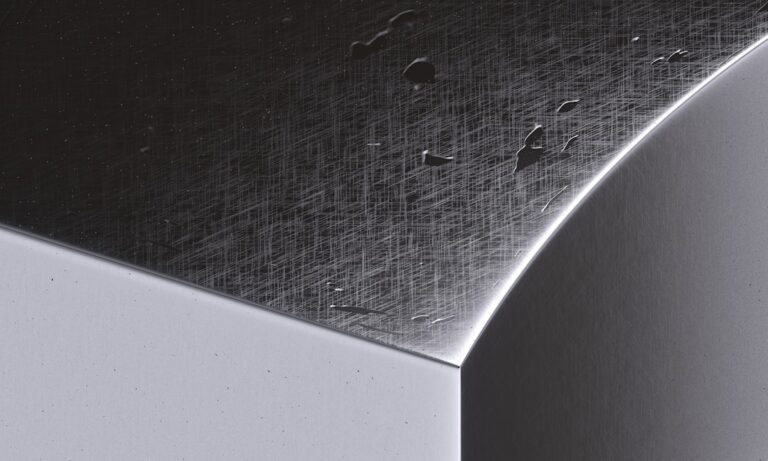
A 1000-grit stone leaves a series of microscopic scratches along the edge that are still coarse enough to feel and see under magnification — that’s not a flaw, it’s simply what that grit is built to do. Those scratches act almost like tiny serrations, which is part of why some professional cooks who do heavy prep actually prefer a slightly coarser edge — it grips into a tomato skin or chicken skin a bit more assertively than a mirror-polished one does.
A 6000-grit finish smooths those scratches down to something much finer, producing an edge that glides rather than grips, and that feels noticeably different cutting soft or delicate food. It’s less about “sharper” in an absolute sense and more about a different cutting feel that most people, once they’ve tried it, prefer for everyday kitchen use.
At a glance
| Finish | Cutting feel | Best for |
|---|---|---|
| 1000 grit only | Slightly toothy, more aggressive bite | Functional edge, heavy prep work, budget setups |
| 4000–6000 grit | Smooth, glides through delicate cuts | Most home cooking — the “properly sharp” feel |
| 8000+ grit | Near mirror polish | Enthusiast preference, minimal practical gain in the kitchen |
When a 1000-grit-only edge is genuinely fine
If your cooking is mostly heavier prep — breaking down proteins, chopping through skins, general chopping rather than fine slicing of delicate ingredients — a well-executed 1000-grit edge does the job without much complaint, and some cooks genuinely prefer its slightly more aggressive bite for that kind of work. It’s a reasonable place to stop if budget matters more than refinement, or if you’re not planning to sharpen often enough to justify a second stone.
When the extra refinement pays off
Anyone doing delicate cutting — thin slices of fish, tomatoes, herbs, anything where a rough edge tears rather than slices cleanly — will notice the difference a finer stone makes almost immediately. It’s also simply the more universally recognized “sharp knife” feeling most people are chasing when they get into sharpening in the first place, which is why it’s the more commonly recommended second stone to add.
So, do you need it?
If you already own a 1000-grit stone and you’re satisfied with how your knife performs, there’s no requirement to add anything. If you’ve noticed your edge feels rougher than you’d like on delicate food, or you simply want the more refined finish most people associate with a well-sharpened Japanese knife, a 4000–6000 grit stone is the single most impactful addition you can make to a basic sharpening kit.
Frequently asked questions
Is a 1000-grit edge actually sharp?
Yes — it will cut food effectively. It’s simply a coarser, slightly toothier finish than a 4000–6000 grit edge, not an unfinished or unsafe one.
What’s the minimum grit setup for a kitchen knife?
A single 1000-grit stone can function as a complete setup if you’re comfortable with its coarser finish. Adding a 4000–6000 stone is the most common and worthwhile upgrade beyond that.
Do professional chefs use 6000-grit edges?
Many do, especially for delicate work, though plenty deliberately keep a coarser edge for heavier prep tasks where a bit of bite is actually useful.
Steel and Strop tests and compares kitchen knives and sharpening gear. Grit-finish characteristics reflect standard, widely documented sharpening principles.